
Solar Panel Systems: A Step towards Energy Independence
Release time:
2024-06-03
**Introduction** In today's world, where environmental concerns are at an all-time high, finding sustainable sources of energy is crucial. One of the most popular and effective ways to reduce your carbon footprint and achieve energy independence is by investing in solar panel systems. In this article, we will explore the benefits of solar energy and how it can help you take a step towards energy i
**Introduction**
In today's world, where environmental concerns are at an all-time high, finding sustainable sources of energy is crucial. One of the most popular and effective ways to reduce your carbon footprint and achieve energy independence is by investing in solar panel systems. In this article, we will explore the benefits of solar energy and how it can help you take a step towards energy independence.
**What are Solar Panel Systems?**
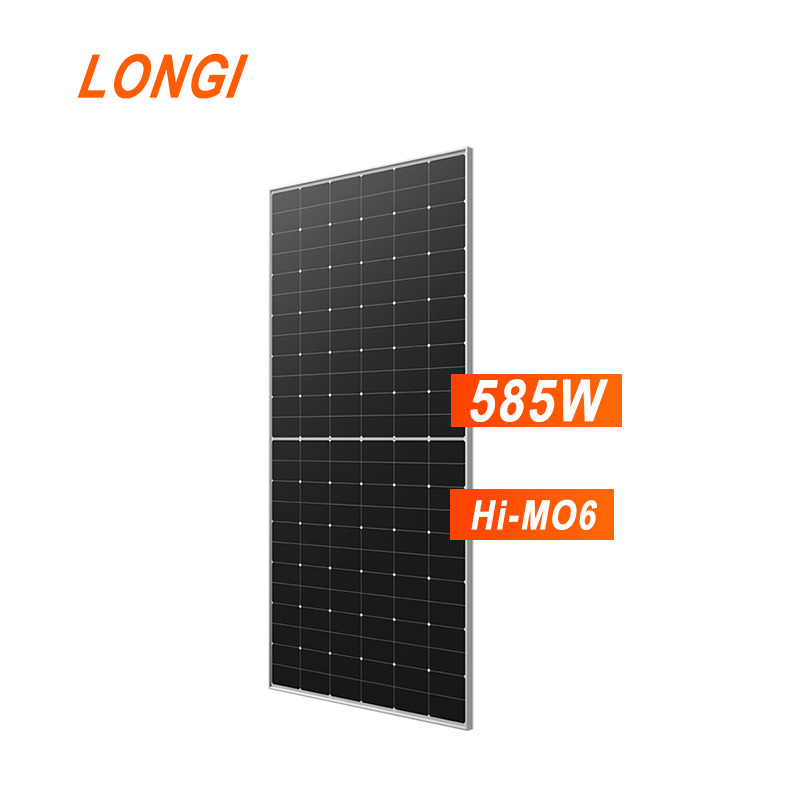
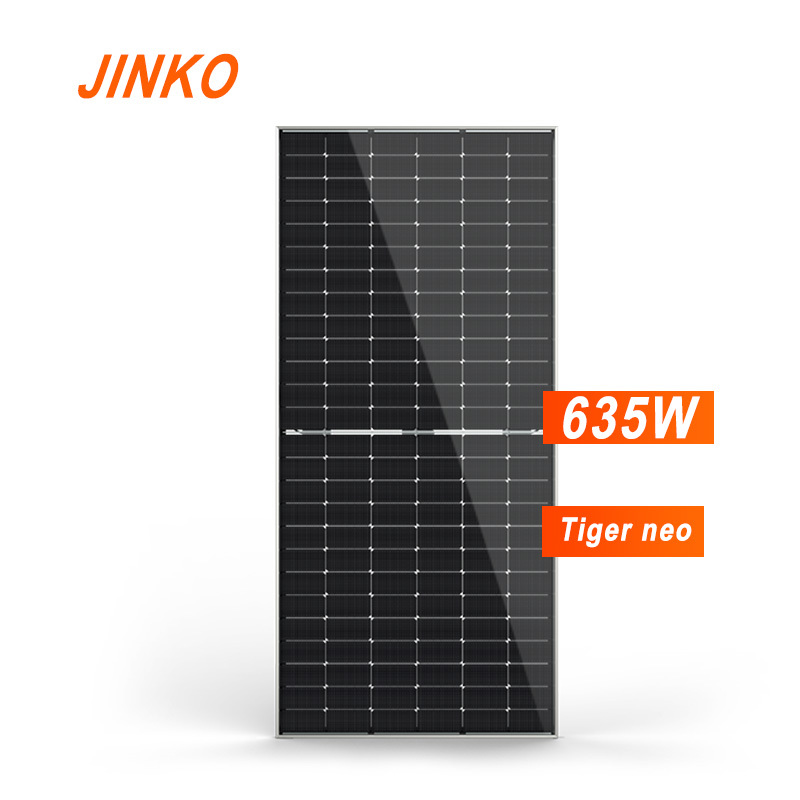
Solar panel systems, also known as photovoltaic systems, are devices that convert sunlight into electricity. They are made up of solar panels, inverters, and other components that work together to harness the sun's energy and turn it into usable electricity. These systems can be installed on rooftops, ground-mounted, or even integrated into building materials.
**How Do Solar Panel Systems Work?**
Solar panels are made up of photovoltaic cells, which are silicon-based materials that convert sunlight into electricity through the photovoltaic effect. When sunlight hits the solar panels, it excites the electrons in the cells, creating a flow of electricity. This electricity is then converted from direct current (DC) to alternating current (AC) by the inverter, making it compatible with your home's electrical system.
**Benefits of Solar Panel Systems**
One of the main benefits of solar panel systems is that they are a renewable source of energy. Unlike fossil fuels, which are finite and harmful to the environment, solar energy is abundant and clean. By investing in a solar panel system, you can reduce your reliance on traditional energy sources and lower your carbon footprint.
Another major benefit of solar panel systems is that they can save you money in the long run. While the initial cost of installing a solar panel system may be high, you can recoup your investment over time through lower energy bills and potential rebates or incentives from the government. In some cases, you may even be able to sell excess electricity back to the grid, further offsetting your costs.
**Is Solar Energy Right for You?**
If you are considering installing a solar panel system, there are a few factors to consider. First, the location of your home is crucial, as you will need ample sunlight to make the system cost-effective. Additionally, you should take into account your energy usage and budget to determine the size and type of system that is right for you.
**FAQs**
1. How long do solar panel systems last?
Solar panel systems typically last 25-30 years, with regular maintenance and cleaning.
2. Are solar panel systems expensive to install?
While the initial cost can be high, there are many financing options available to make solar energy more affordable.
3. Can solar panel systems work at night?
Solar panels do not generate electricity at night, but you can store excess energy in batteries for use after dark.
4. Do solar panel systems require a lot of maintenance?
Solar panel systems are relatively low maintenance, requiring periodic cleaning and inspections.
5. How much money can I save with a solar panel system?
The amount of money you can save with a solar panel system depends on your energy usage and local incentives.
**Conclusion**
In conclusion, solar panel systems are a sustainable and cost-effective way to achieve energy independence and reduce your carbon footprint. By harnessing the power of the sun, you can lower your energy bills, help the environment, and take a step towards a more sustainable future. Consider investing in a solar panel system today and start reaping the benefits of clean, renewable energy.
Back →
In today's world, where environmental concerns are at an all-time high, finding sustainable sources of energy is crucial. One of the most popular and effective ways to reduce your carbon footprint and achieve energy independence is by investing in solar panel systems. In this article, we will explore the benefits of solar energy and how it can help you take a step towards energy independence.
**What are Solar Panel Systems?**
Solar panel systems, also known as photovoltaic systems, are devices that convert sunlight into electricity. They are made up of solar panels, inverters, and other components that work together to harness the sun's energy and turn it into usable electricity. These systems can be installed on rooftops, ground-mounted, or even integrated into building materials.
**How Do Solar Panel Systems Work?**
Solar panels are made up of photovoltaic cells, which are silicon-based materials that convert sunlight into electricity through the photovoltaic effect. When sunlight hits the solar panels, it excites the electrons in the cells, creating a flow of electricity. This electricity is then converted from direct current (DC) to alternating current (AC) by the inverter, making it compatible with your home's electrical system.
**Benefits of Solar Panel Systems**
One of the main benefits of solar panel systems is that they are a renewable source of energy. Unlike fossil fuels, which are finite and harmful to the environment, solar energy is abundant and clean. By investing in a solar panel system, you can reduce your reliance on traditional energy sources and lower your carbon footprint.
Another major benefit of solar panel systems is that they can save you money in the long run. While the initial cost of installing a solar panel system may be high, you can recoup your investment over time through lower energy bills and potential rebates or incentives from the government. In some cases, you may even be able to sell excess electricity back to the grid, further offsetting your costs.
**Is Solar Energy Right for You?**
If you are considering installing a solar panel system, there are a few factors to consider. First, the location of your home is crucial, as you will need ample sunlight to make the system cost-effective. Additionally, you should take into account your energy usage and budget to determine the size and type of system that is right for you.
**FAQs**
1. How long do solar panel systems last?
Solar panel systems typically last 25-30 years, with regular maintenance and cleaning.
2. Are solar panel systems expensive to install?
While the initial cost can be high, there are many financing options available to make solar energy more affordable.
3. Can solar panel systems work at night?
Solar panels do not generate electricity at night, but you can store excess energy in batteries for use after dark.
4. Do solar panel systems require a lot of maintenance?
Solar panel systems are relatively low maintenance, requiring periodic cleaning and inspections.
5. How much money can I save with a solar panel system?
The amount of money you can save with a solar panel system depends on your energy usage and local incentives.
**Conclusion**
In conclusion, solar panel systems are a sustainable and cost-effective way to achieve energy independence and reduce your carbon footprint. By harnessing the power of the sun, you can lower your energy bills, help the environment, and take a step towards a more sustainable future. Consider investing in a solar panel system today and start reaping the benefits of clean, renewable energy.
Contact Info
WhatsApp :+8613865659714
Email:ad@wingosolar.com.cn
Address:
Room 2201-2210,Tower Office,Investment Innovation Center, No. 2809.Innovation Avenue,High-tech Zone, Hefei City, Anhui Province,China
Quick Link
Leave A Message


