
Understanding Hybrid Solar Energy Systems: A Comprehensive Guide
Release time:
2026-05-01
Hybrid solar energy systems are becoming increasingly popular as a versatile and efficient solution for energy needs. These systems combine multiple energy sources, typically integrating solar power with other energy generation methods like wind, traditional fossil fuels, or battery storage. This combination allows for a more reliable and consistent energy supply, especially in areas where solar e
One of the key advantages of a hybrid solar energy system is its ability to maximize energy efficiency. By utilizing solar panels, you harness renewable energy during the day, thereby reducing reliance on fossil fuels or grid electricity. When solar production is insufficient, the system can seamlessly switch to another power source, ensuring that you have continuous energy availability. This flexibility makes hybrid systems ideal for applications ranging from residential homes to commercial establishments.
Moreover, hybrid solar energy systems often incorporate battery storage technology. This feature allows excess energy generated during sunny periods to be stored for later use, thus providing energy security even during nighttime or cloudy days. Battery storage not only helps to stabilize energy supply but also promotes energy independence, as users can rely less on external power sources.
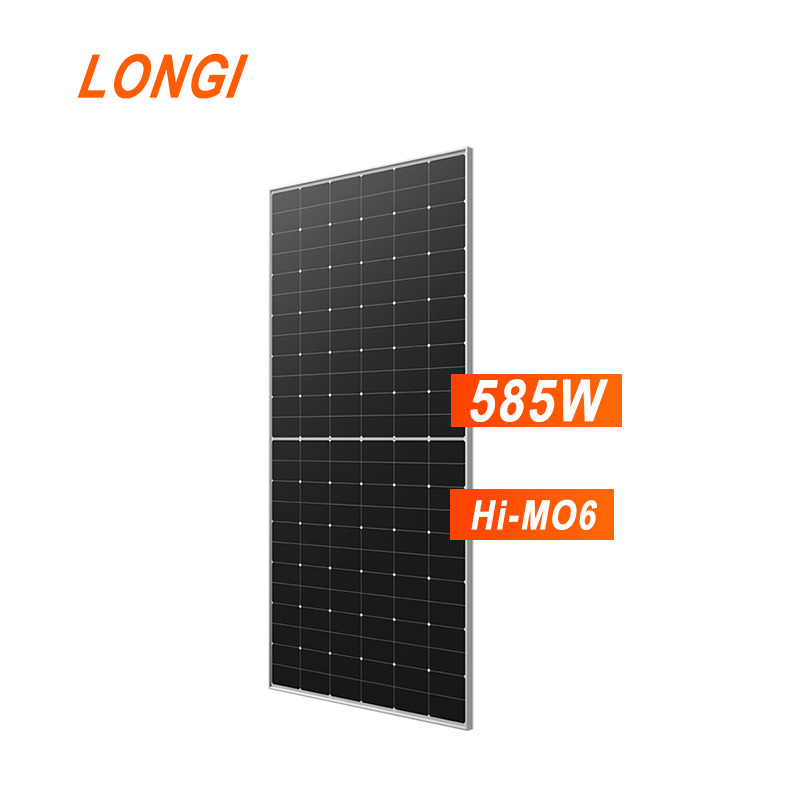
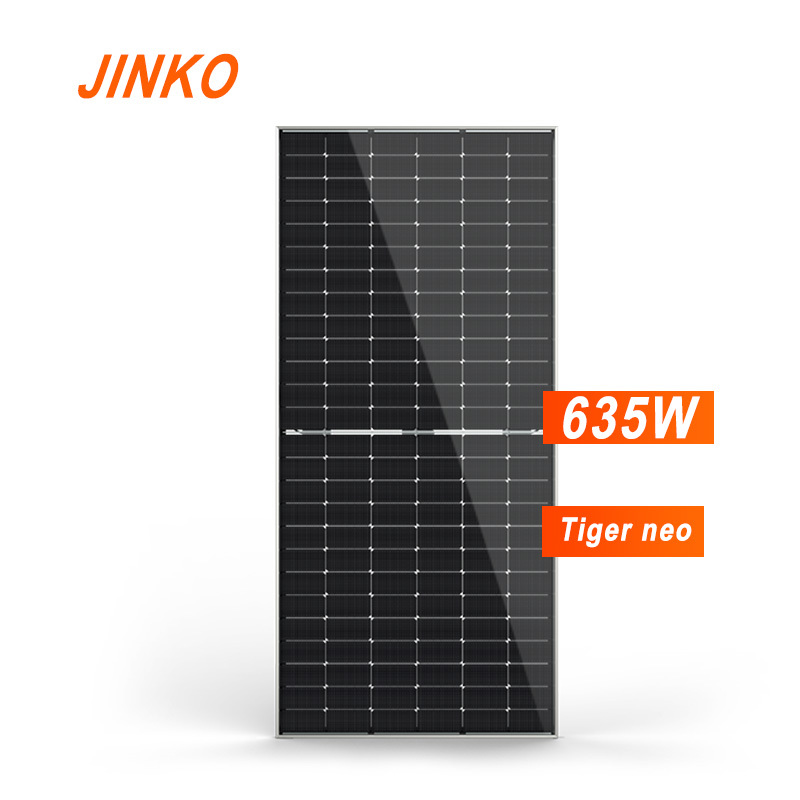
When considering a hybrid solar energy system, it’s important to evaluate the various components that contribute to its functionality. Solar panels are the primary renewable energy source, while inverters convert the generated DC electricity into usable AC electricity for household appliances. Additionally, the integration of smart energy management systems can optimize the performance of the hybrid setup, allowing users to monitor energy consumption and production in real time.
The environmental benefits of hybrid solar energy systems are significant. By reducing dependence on traditional fossil fuels, these systems help decrease greenhouse gas emissions and contribute to a more sustainable future. Furthermore, they can lead to lower energy bills by decreasing the amount of energy purchased from the grid.
In conclusion, hybrid solar energy systems represent a forward-thinking approach to energy management. By combining solar power with other energy sources, these systems offer reliability, efficiency, and sustainability. Whether you are aiming to reduce your carbon footprint, enhance energy independence, or simply enjoy the cost savings associated with renewable energy, a hybrid solar energy system may be the right choice for you. By understanding how these systems work and their benefits, you can make informed decisions that align with your energy goals.
Contact Info
WhatsApp :+8613865659714
Email:ad@wingosolar.com.cn
Address:
Room 2201-2210,Tower Office,Investment Innovation Center, No. 2809.Innovation Avenue,High-tech Zone, Hefei City, Anhui Province,China
Quick Link
Leave A Message


