
Backup Power Supply Innovations: Emerging Trends Transforming the Industry
Release time:
2026-06-05
Backup Power Supply Innovations: Emerging Trends Transforming the Industry Table of Contents Introduction to Backup Power Supply Innovations The Importance of Reliable Backup Power Systems Key Trends in Backup Power Supply Innovations Integration of Smart Technologies Utilization of Renewable Energy Sources Advancements in Battery Storage T
Backup Power Supply Innovations: Emerging Trends Transforming the Industry
Table of Contents
- Introduction to Backup Power Supply Innovations
- The Importance of Reliable Backup Power Systems
- Key Trends in Backup Power Supply Innovations
- Integration of Smart Technologies
- Utilization of Renewable Energy Sources
- Advancements in Battery Storage Technology
- The Rise of Modular Power Systems
- Impact on Various Industries
- Challenges in Adopting New Technologies
- The Future of Backup Power Supply Systems
- FAQs on Backup Power Supply Innovations
- Conclusion
Introduction to Backup Power Supply Innovations
In today’s fast-paced world, the need for reliable electricity is more critical than ever. Power outages can lead to significant disruptions in various sectors, including healthcare, manufacturing, and telecommunications. As such, the demand for innovative backup power supply systems has surged. This article delves into the latest trends in backup power supply innovations, highlighting how these advancements are shaping the future of electrical infrastructure.
The Importance of Reliable Backup Power Systems
Reliable backup power systems play an essential role in maintaining operational continuity during power failures. Businesses and individuals alike depend on these systems to protect sensitive equipment, preserve data integrity, and ensure safety. Whether it’s a small-scale residential setup or a large industrial operation, the reliability of backup power cannot be overstated.
Innovations in this field not only improve performance but also address environmental concerns and energy efficiency. As we explore the latest trends, it’s essential to understand their implications on both personal and commercial power needs.
Key Trends in Backup Power Supply Innovations
The landscape of backup power supply systems is evolving rapidly. Below, we discuss some of the most significant trends that are currently shaping the industry.
Integration of Smart Technologies
Smart technology has become synonymous with efficiency and convenience. In the backup power supply realm, smart solutions are revolutionizing the way we manage power systems. The integration of IoT (Internet of Things) devices allows for real-time monitoring and control of power supply systems, enabling users to optimize performance and respond swiftly to any issues.
Smart backup power systems can communicate with other smart devices within the home or organization, creating a seamless energy management system. These systems can automatically switch between grid and backup power, ensuring minimal disruption during outages. Moreover, predictive analytics enable users to forecast power needs based on historical data, enhancing overall efficiency.
Utilization of Renewable Energy Sources
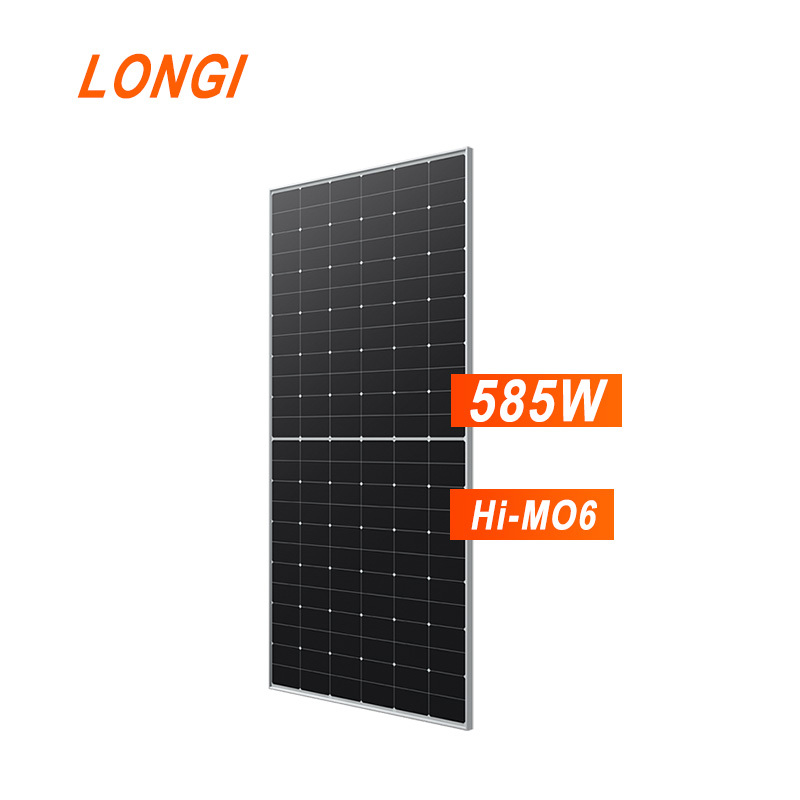
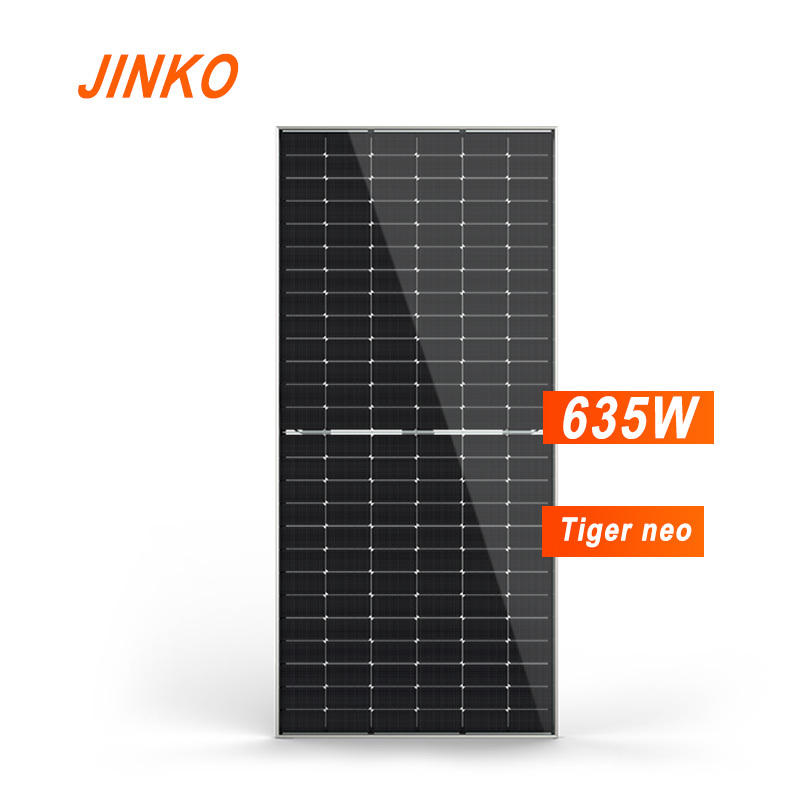
The push towards sustainability has led to an increasing integration of renewable energy sources in backup power supply systems. Solar panels, wind turbines, and other renewable technologies are now being paired with backup systems to create hybrid solutions that are both environmentally friendly and cost-effective.
By harnessing renewable energy, businesses and homeowners can reduce their carbon footprint while ensuring a reliable power supply during outages. These systems not only provide backup power but also contribute to energy independence, reducing reliance on fossil fuels and decreasing energy costs over time.
Advancements in Battery Storage Technology
Battery technology has witnessed remarkable advancements in recent years, making it a cornerstone of modern backup power systems. Lithium-ion batteries, in particular, have become popular due to their high energy density, longevity, and decreasing costs.
Innovations in battery management systems (BMS) have enhanced the efficiency and lifespan of batteries, allowing for better performance during power outages. Newer technologies, such as solid-state batteries, are emerging as potential game-changers, offering greater safety, higher energy capacity, and faster charging times.
These advancements are making backup power systems more accessible and efficient, empowering users to store energy for later use, particularly in regions prone to frequent power disruptions.
The Rise of Modular Power Systems
Modular backup power systems are gaining traction due to their scalability and flexibility. These systems allow users to customize their backup power supply according to specific needs, providing a tailored solution that can grow as power demands increase.
Modular systems often consist of multiple smaller units that can be added or removed as needed, allowing businesses to adapt to changing requirements without significant upfront investments. This adaptability is particularly beneficial for industries experiencing rapid growth or fluctuations in power needs.
Additionally, modular systems can be designed for easy maintenance and repair, reducing downtime and enhancing reliability.
Impact on Various Industries
The innovations in backup power supply systems are not limited to residential use. Various industries are reaping the benefits of these advancements.
Healthcare Sector
In the healthcare sector, reliable backup power is crucial. Hospitals and clinics depend on uninterrupted power to keep critical equipment operational. Innovations in backup power supply systems ensure that these facilities can maintain essential services, even during grid failures.
Manufacturing and Industrial Applications
For manufacturing facilities, power outages can lead to costly downtime and loss of productivity. Advanced backup systems equipped with smart technologies allow for seamless transitions and improved operational reliability, enhancing overall efficiency.
Telecommunications
The telecommunications industry relies heavily on consistent power supply for its infrastructure. Backup power innovations help maintain connectivity, particularly during emergencies when communication is essential.
Challenges in Adopting New Technologies
While the advancements in backup power supply systems are promising, several challenges remain.
Initial Costs
The initial investment for advanced systems can be substantial. Many businesses may hesitate to upgrade due to budget constraints, despite the long-term savings these systems might provide.
Regulatory Hurdles
In many regions, regulations surrounding the installation and use of backup power systems can be complex. Navigating these regulations can pose challenges for businesses looking to adopt new technologies.
Technology Adoption
There may also be resistance to change from traditional systems to modern solutions. Training staff and adjusting operational protocols to accommodate new technologies can be a hurdle for many organizations.
The Future of Backup Power Supply Systems
The future of backup power supply systems looks bright, with continuous advancements on the horizon. As technology evolves, we can expect further integration of AI and machine learning to enhance predictive analytics, making backup systems even more reliable.
We may also see a greater emphasis on sustainability, with increased adoption of renewable energy sources and eco-friendly technologies. This transformation aligns with global efforts to combat climate change and promote energy efficiency.
Furthermore, as the concept of smart cities gains momentum, backup power systems will play a pivotal role in ensuring the resilience of urban infrastructure. The integration of these systems into smart grids will pave the way for a more interconnected and efficient energy landscape.
FAQs on Backup Power Supply Innovations
1. What are backup power supply systems?
Backup power supply systems are designed to provide electricity during power outages. They can include generators, batteries, and renewable energy sources.
2. How do smart technologies improve backup power systems?
Smart technologies allow real-time monitoring and automation of backup systems, enhancing efficiency and minimizing disruptions during power outages.
3. Can renewable energy be used in backup power systems?
Yes, renewable energy sources like solar and wind can be integrated into backup power systems, providing a sustainable and cost-effective solution.
4. What are the advantages of modular backup power systems?
Modular systems offer scalability, customization, and easier maintenance, allowing users to adapt their power solutions based on changing needs.
5. What are the challenges in adopting modern backup power technologies?
Challenges include high initial costs, regulatory hurdles, and resistance to change from traditional systems.
Conclusion
The innovations in backup power supply systems are essential in ensuring uninterrupted power across various sectors. As we have explored, trends such as smart technology integration, renewable energy utilization, advancements in battery storage, and the rise of modular systems are transforming the landscape of power supply.
As we move forward, the focus will be on enhancing reliability, efficiency, and sustainability in backup power solutions. Businesses and individuals alike must remain informed about these trends to leverage the benefits of modern backup power systems, thus ensuring resilience in an increasingly electrified world.
Contact Info
WhatsApp :+8613865659714
Email:ad@wingosolar.com.cn
Address:
Room 718-719,Tower Office,Investment Innovation Center, No. 2809.Innovation Avenue,High-tech Zone, Hefei City, Anhui Province,China
Quick Link
Leave A Message


