
Understanding On-grid Solar Systems: The Future of Sustainable Energy
Release time:
2026-02-20
On-grid solar systems, also known as grid-tied systems, are an integral part of the renewable energy sector, enabling homeowners and businesses to harness solar power while remaining connected to the public electricity grid. Unlike off-grid systems, which require battery storage to operate independently, on-grid systems rely on the grid as a backup source of power. This article will explore the co
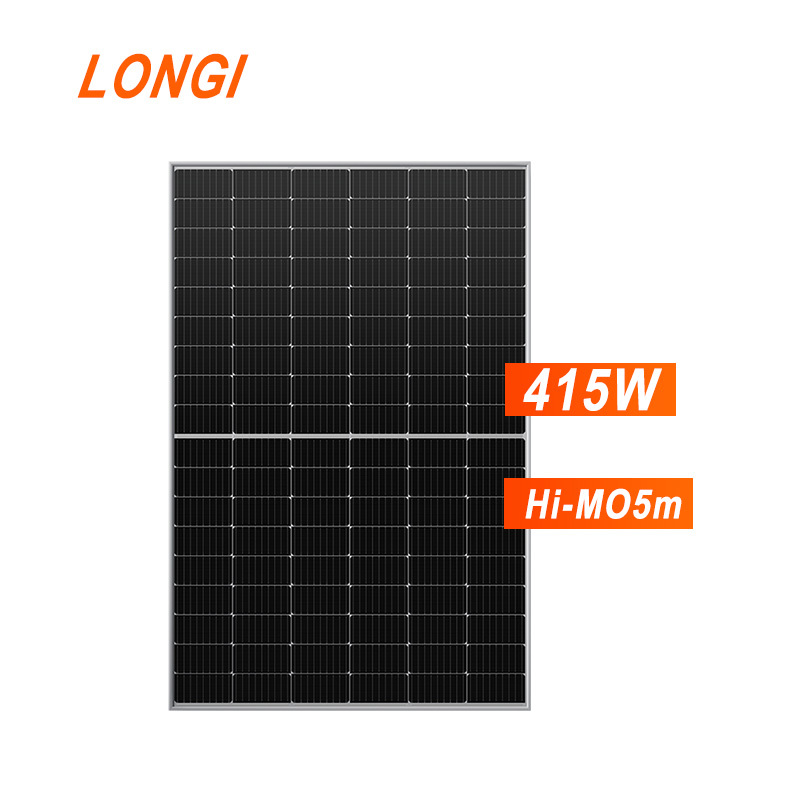
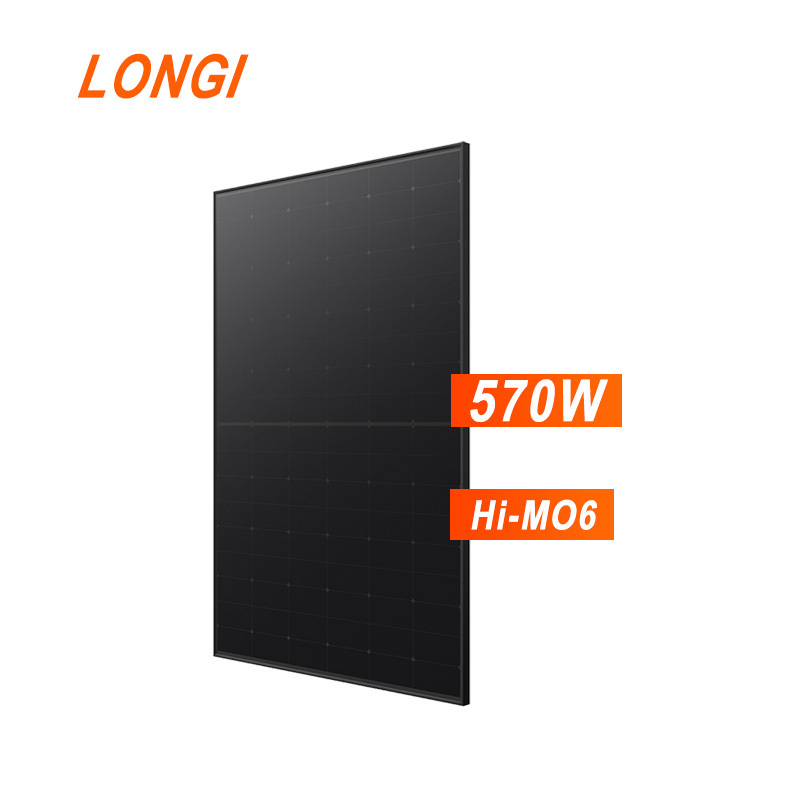
At the heart of an on-grid solar system is the solar panel, which converts sunlight into electricity. This electricity can be used to power appliances in real-time or exported back to the grid when excess energy is generated, often through a process called net metering. A key component of this system is the inverter, which converts the direct current (DC) generated by the solar panels into alternating current (AC), the form used in most homes and businesses.
One of the primary advantages of on-grid solar systems is their economic efficiency. Since they do not require expensive battery storage, the initial installation costs can be significantly lower compared to off-grid alternatives. Furthermore, many regions offer incentives such as tax credits or rebates for installing solar systems, making it easier for both individuals and businesses to invest in renewable energy.
Another benefit is the environmental impact. By utilizing solar energy, on-grid systems reduce reliance on fossil fuels, thereby lowering greenhouse gas emissions and contributing to a cleaner environment. This is particularly important as global energy demands continue to rise, highlighting the need for sustainable solutions.
However, there are important considerations when opting for an on-grid solar system. One such factor is the nature of net metering policies, which can vary widely by region. Understanding local regulations and utility agreements is crucial for maximizing the benefits of an on-grid system. Additionally, during power outages, on-grid systems typically do not provide electricity unless equipped with special inverters or battery backup systems.
In summary, on-grid solar systems represent a practical solution for integrating renewable energy into our daily lives. By understanding how these systems operate and the advantages they offer, professionals can contribute to a sustainable energy future while also navigating the complexities of the renewable energy landscape. As more individuals and businesses recognize the importance of solar power, on-grid systems will likely play a pivotal role in shaping our energy consumption habits and policies moving forward.
Related news
Contact Info
WhatsApp :+8617356570125
Email:nancy@wingosolar.com.cn
Address:
Room 718-719,Tower Office,Investment Innovation Center, No. 2809.Innovation Avenue,High-tech Zone, Hefei City, Anhui Province,China
Quick Link
Leave A Message


