
How to Secure Your Backup Power Supply from Theft: Essential Strategies for Protection
Release time:
2026-04-24
How to Secure Your Backup Power Supply from Theft: Essential Strategies for Protection Table of Contents Understanding the Importance of Backup Power Supply Common Theft Methods Targeting Backup Power Supplies Vulnerabilities of Backup Power Supplies Effective Security Measures to Prevent Theft Physical Security Measures Surveillance Systems and Mo
How to Secure Your Backup Power Supply from Theft: Essential Strategies for Protection
Table of Contents
- Understanding the Importance of Backup Power Supply
- Common Theft Methods Targeting Backup Power Supplies
- Vulnerabilities of Backup Power Supplies
- Effective Security Measures to Prevent Theft
- Physical Security Measures
- Surveillance Systems and Monitoring
- Advanced Technology for Enhanced Security
- Best Practices for Secure Installation
- Maintaining Security in Long-Term Usage
- Frequently Asked Questions
- Conclusion
Understanding the Importance of Backup Power Supply
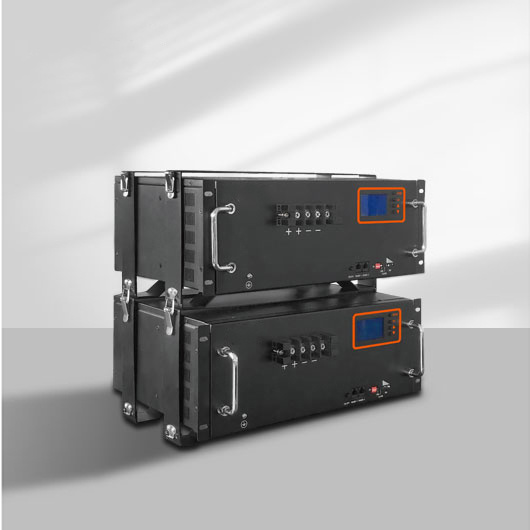
Having a reliable backup power supply is crucial for both residential and commercial properties. It ensures continuous power during outages, protecting sensitive equipment and maintaining essential operations. However, this valuable asset can also attract thieves, making it imperative to implement effective security measures. By understanding the importance and value of your backup power supply, you can recognize the need for robust security.
Common Theft Methods Targeting Backup Power Supplies
Theft of backup power supplies can occur through various means. Understanding these methods is the first step in securing your equipment. Common techniques include:
1. Forced Entry
Thieves may resort to breaking locks or using tools to pry open cabinets or boxes housing backup power supplies. They often target areas that appear less secure or less frequented.
2. Opportunistic Theft
Sometimes, theft is simply opportunistic. A thief might notice an unguarded or accessible power supply and seize the moment to steal it.
3. Knowledgeable Intrusion
In some cases, thieves have prior knowledge of the equipment's value and may plan their theft accordingly. This method involves reconnaissance and planning, making it more challenging to prevent.
Vulnerabilities of Backup Power Supplies
Identifying vulnerabilities in your backup power system is crucial for effective security. Common vulnerabilities include:
1. Inadequate Physical Protection
Many installations lack robust physical barriers, making them easy targets for thieves.
2. Poor Location Choices
Backup power supplies situated in remote or poorly lit areas are more susceptible to theft. Consider the placement of your equipment carefully.
3. Lack of Surveillance
Absence of surveillance cameras or monitoring systems can lead to undetected theft, further encouraging criminal activity.
Effective Security Measures to Prevent Theft
To mitigate the risk of theft, consider implementing a combination of the following security measures:
Physical Security Measures
Physical security is the foundation of theft prevention. Here are some strategies to enhance it:
1. Secure Enclosures
Invest in robust cabinets or enclosures that are specifically designed to house backup power supplies. These should be weather-resistant and tamper-proof.
2. Locking Mechanisms
Ensure that all enclosures feature high-quality locks. Consider using combination locks or digital locks for added security.
3. Fencing and Barriers
If your power supply is installed outdoors, consider erecting a fence or barrier around the area. This adds an additional layer of protection against unauthorized access.
Surveillance Systems and Monitoring
Integrating surveillance systems into your security measures can significantly deter theft:
1. CCTV Cameras
Install high-resolution CCTV cameras that can monitor the area around your backup power supply. Ensure they are positioned strategically to cover all angles.
2. Motion Sensors
Incorporate motion sensor lights that activate when movement is detected. This can startle potential thieves and draw attention to their presence.
3. Remote Monitoring
Utilize systems that allow you to monitor your power supply remotely. This way, you’ll receive alerts if unauthorized access is detected.
Advanced Technology for Enhanced Security
Incorporating advanced technology can further elevate your security measures:
1. GPS Tracking Devices
Consider using GPS tracking devices attached to your backup power supply. In the event of theft, this technology can help you locate your equipment.
2. Smart Alarms
Smart alarm systems can alert you via smartphone notifications if someone attempts to access your power supply.
3. RFID Tags
Using RFID tags can help you keep track of your power supply and monitor its location effectively.
Best Practices for Secure Installation
Implementing best practices during installation can prevent vulnerabilities:
1. Professional Installation
Hire qualified professionals for the installation of your backup power supply. They can ensure it is securely placed and meets all safety standards.
2. Regular Inspections
Conduct regular inspections of your power supply and security measures to identify any weaknesses or required maintenance.
3. Educate Employees and Family Members
Educate those who have access to the backup power supply about security protocols and the importance of protecting this equipment.
Maintaining Security in Long-Term Usage
Long-term security requires ongoing commitment:
1. Update Security Systems Regularly
Keep your security systems updated with the latest technology and practices.
2. Review Security Policies
Regularly review and revise your security policies to adapt to changing circumstances.
3. Foster a Security Culture
Promote a culture of security awareness within your organization or household, ensuring everyone understands their role in protecting the backup power supply.
Frequently Asked Questions
1. What type of enclosure is best for securing a backup power supply?
A robust, tamper-proof metal enclosure with high-quality locks is ideal for securing backup power supplies. Look for weather-resistant options if installed outdoors.
2. How can I tell if my backup power supply is at risk of theft?
Look for signs of forced entry, unfamiliar footprints around the area, or previous theft incidents in your locale. Regularly inspect for vulnerabilities.
3. Are surveillance cameras effective in preventing theft?
Yes, surveillance cameras act as a deterrent to potential thieves and can provide evidence in case of theft.
4. How often should I inspect my backup power supply for security?
Conduct inspections quarterly or more frequently if you notice any unusual activity or changes in your environment.
5. What should I do if my backup power supply is stolen?
Immediately report the theft to local authorities and provide them with any documentation, serial numbers, or GPS tracking information you may have.
Conclusion
Securing your backup power supply from theft is a critical aspect of ensuring uninterrupted power and protecting your investment. By understanding the importance of security, recognizing common theft methods, and implementing effective measures, you can significantly reduce the risk of theft. A combination of physical security, advanced technology, and ongoing maintenance will create a robust defense against potential threats. Take action today to safeguard your backup power supply and ensure peace of mind for the future.
Contact Info
WhatsApp :+8617356570125
Email:nancy@wingosolar.com.cn
Address:
Room 718-719,Tower Office,Investment Innovation Center, No. 2809.Innovation Avenue,High-tech Zone, Hefei City, Anhui Province,China
Quick Link
Leave A Message


