
The Connection Between Off-Grid Solar Systems and Sustainability
Release time:
2026-06-19
The Connection Between Off-Grid Solar Systems and Sustainability Table of Contents 1. Introduction to Off-Grid Solar Systems 2. What are Off-Grid Solar Systems? 3. The Importance of Sustainability in Energy Consumption 4. Benefits of Off-Grid Solar Systems 4.1 Environmental Benefits 4.2 Economic Benefits 4.3 Social Benefits 5. Key
The Connection Between Off-Grid Solar Systems and Sustainability
Table of Contents
- 1. Introduction to Off-Grid Solar Systems
- 2. What are Off-Grid Solar Systems?
- 3. The Importance of Sustainability in Energy Consumption
- 4. Benefits of Off-Grid Solar Systems
- 5. Key Components of Off-Grid Solar Systems
- 6. Installation Process of Off-Grid Solar Systems
- 7. Challenges and Solutions in Off-Grid Solar Systems
- 8. The Future of Off-Grid Solar Technology
- 9. Frequently Asked Questions
- 10. Conclusion
1. Introduction to Off-Grid Solar Systems
In recent years, the discussion surrounding energy consumption has shifted dramatically towards sustainability. As climate change accelerates, the urgency to adopt renewable energy solutions has never been more pressing. Off-grid solar systems stand at the forefront of these solutions, offering an independent source of energy that significantly contributes to a sustainable future. This article explores the intricate connections between off-grid solar systems and sustainability, shedding light on their benefits, components, and installation processes.
2. What are Off-Grid Solar Systems?
Off-grid solar systems are standalone energy setups that operate independently of the traditional electricity grid. They harness solar energy through photovoltaic (PV) panels, converting sunlight into electricity. This electricity can be used to power homes, businesses, and even entire communities without relying on fossil fuels or external energy suppliers. Off-grid systems typically include solar panels, batteries for energy storage, inverters to convert DC to AC power, and charge controllers to regulate the energy flow.
3. The Importance of Sustainability in Energy Consumption
Sustainability refers to the ability to meet present needs without compromising the ability of future generations to meet their own needs. In the context of energy consumption, sustainability focuses on reducing our reliance on finite resources and minimizing environmental degradation. Traditional energy sources, such as coal and natural gas, contribute significantly to greenhouse gas emissions and climate change. Transitioning to renewable energy sources, like solar power, is vital for creating a sustainable energy future. Off-grid solar systems embody this transition, offering a clean, renewable alternative that reduces our carbon footprint.
4. Benefits of Off-Grid Solar Systems
Investing in off-grid solar systems provides numerous advantages that extend beyond mere energy independence. Let’s delve into these benefits in detail.
4.1 Environmental Benefits
Off-grid solar systems play a crucial role in environmental conservation. By generating electricity from sunlight, these systems help reduce the reliance on fossil fuels, which are the primary contributors to air pollution and climate change. The implementation of off-grid solar systems leads to:
- **Reduced Greenhouse Gas Emissions**: By utilizing renewable energy, off-grid solar systems minimize carbon dioxide emissions, which are responsible for global warming.
- **Decreased Habitat Disruption**: Unlike traditional energy sources that require extensive land use and resource extraction, solar energy harnesses a clean and renewable source without causing ecological damage.
- **Promotion of Biodiversity**: The reduction of fossil fuel dependency allows ecosystems to thrive, fostering biodiversity and preserving natural habitats.
4.2 Economic Benefits
The economic advantages of off-grid solar systems are equally compelling. These systems provide financial savings and create opportunities for local economies:
- **Lower Energy Costs**: Once installed, off-grid solar systems require minimal maintenance and have no fuel costs, leading to significant savings on electricity bills over time.
- **Job Creation**: The growth of the solar industry has generated numerous jobs in manufacturing, installation, and maintenance, boosting local economies.
- **Energy Independence**: By producing their own energy, communities can protect themselves from fluctuating energy prices and supply chain disruptions.
4.3 Social Benefits
The social implications of off-grid solar systems are profound, particularly in underserved and rural communities:
- **Increased Access to Electricity**: Off-grid solar systems can provide electricity to remote locations where traditional grid access is impractical or too costly.
- **Empowerment of Communities**: By adopting renewable energy solutions, communities can take control of their energy needs, fostering a sense of agency and independence.
- **Improved Quality of Life**: Access to reliable electricity enhances the quality of life by enabling better education, healthcare, and economic opportunities.
5. Key Components of Off-Grid Solar Systems
Understanding the components of off-grid solar systems is essential for grasping how they function effectively:
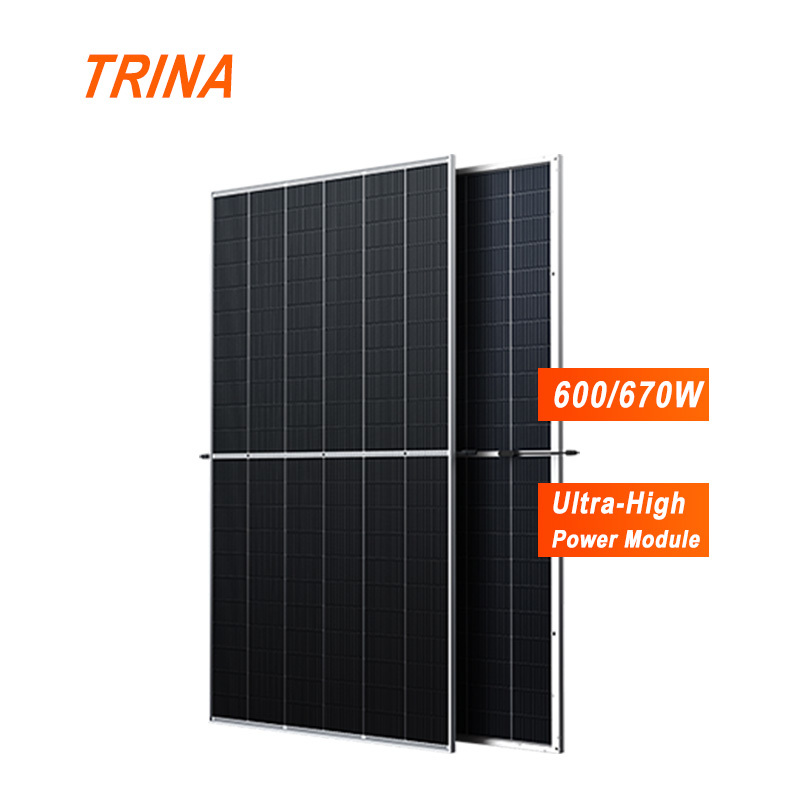
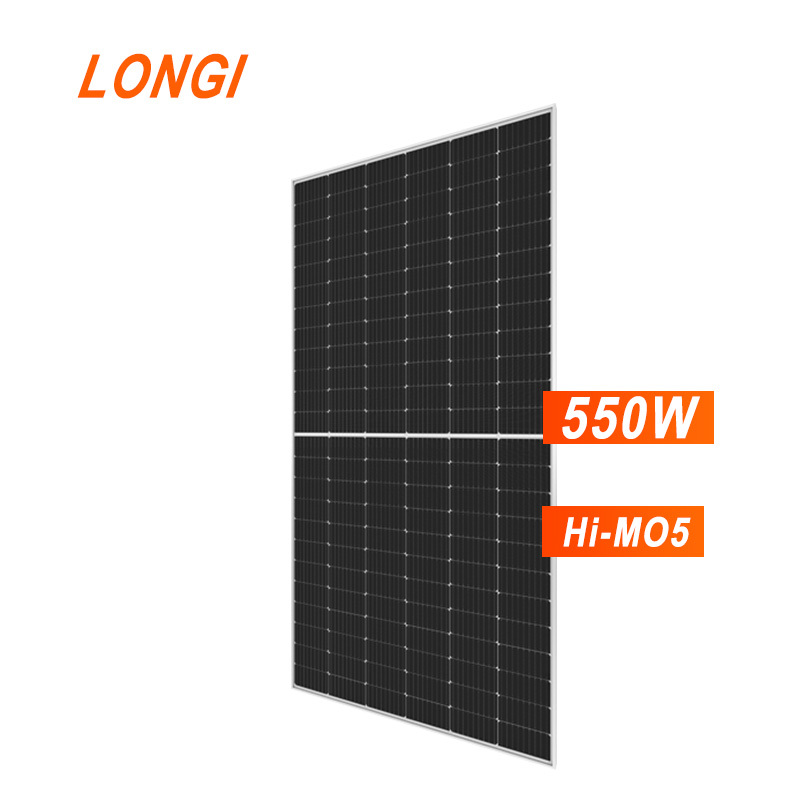
- **Solar Panels**: These are the heart of any solar system, converting sunlight into usable electricity.
- **Batteries**: Energy storage is crucial for off-grid systems, as they store excess energy generated during the day for use at night or during cloudy days.
- **Inverters**: Inverters convert the direct current (DC) produced by solar panels into alternating current (AC), which is used by most household appliances.
- **Charge Controllers**: These devices regulate the voltage and current coming from the solar panels to protect the batteries from overcharging or discharging.
6. Installation Process of Off-Grid Solar Systems
Installing an off-grid solar system requires careful planning and execution to ensure efficiency and effectiveness. Here’s a step-by-step overview of the process:
1. **Assessment of Energy Needs**: Determine the energy requirements of the household or community to size the system appropriately.
2. **Site Evaluation**: Analyze the location for solar potential, considering factors like shade, roof orientation, and local weather patterns.
3. **System Design**: Design the system layout, selecting the appropriate solar panels, batteries, and other components based on energy needs and site conditions.
4. **Permitting and Regulations**: Check local regulations and obtain necessary permits before installation to ensure compliance with safety and legal standards.
5. **Installation**: Install solar panels, batteries, and wiring according to design specifications, ensuring all components are securely connected.
6. **Testing and Commissioning**: After installation, test the system to ensure everything operates smoothly and efficiently before finalizing the project.
7. Challenges and Solutions in Off-Grid Solar Systems
While off-grid solar systems present numerous benefits, they also come with challenges that must be addressed:
- **Initial Costs**: The upfront investment can be significant, but financing options and incentives can help mitigate this barrier.
- **Energy Storage Limitations**: Battery technology is continually evolving, but optimizing storage to meet energy needs remains a challenge. Investing in high-quality batteries can enhance performance.
- **Maintenance**: Regular maintenance is necessary to ensure the longevity and efficiency of the system. Users should familiarize themselves with basic maintenance procedures or hire professionals for comprehensive services.
8. The Future of Off-Grid Solar Technology
The future of off-grid solar systems looks promising, with advancements in technology and growing awareness of sustainability. Key trends shaping the future include:
- **Enhanced Energy Storage Solutions**: Innovations in battery technology, such as lithium-ion and solid-state batteries, are set to increase energy storage capacity and efficiency.
- **Smart Grid Integration**: The integration of smart technology in off-grid systems will enable better energy management, optimizing energy use based on real-time data.
- **Increased Accessibility**: As costs continue to decline and financing options expand, off-grid solar systems will become more accessible to diverse communities worldwide.
9. Frequently Asked Questions
1. What is the lifespan of an off-grid solar system?
Off-grid solar systems typically have a lifespan of 25-30 years for solar panels, while batteries may need to be replaced every 5-15 years, depending on usage and maintenance.
2. Can I connect my off-grid solar system to the grid later?
Yes, it’s possible to connect an off-grid solar system to the grid if you decide to transition in the future. However, additional components and modifications may be required.
3. How much sunlight do I need for an off-grid solar system to work?
Off-grid solar systems can still function in low sunlight conditions, but optimal performance requires an average of 4-6 hours of direct sunlight per day.
4. Are there government incentives for installing off-grid solar systems?
Many governments offer incentives, tax credits, and grants to encourage the adoption of renewable energy solutions, including off-grid solar systems.
5. How do I maintain my off-grid solar system?
Regular maintenance includes cleaning solar panels, checking battery levels, and ensuring all components are functioning properly. It’s advisable to consult with a professional for in-depth maintenance.
10. Conclusion
The connection between off-grid solar systems and sustainability is profound and multifaceted. By utilizing renewable energy, these systems empower individuals and communities to reduce their reliance on fossil fuels, lower their carbon footprints, and contribute to a more sustainable future. With the ongoing advancements in technology, the benefits of off-grid solar systems will continue to grow, making them a vital component of global efforts towards environmental conservation and energy independence. Transitioning to off-grid solar energy isn't just an investment in energy; it's an investment in a sustainable and resilient future for generations to come.
Related news
Contact Info
WhatsApp :+8613865659714
Email:ad@wingosolar.com.cn
Address:
Room 718-719,Tower Office,Investment Innovation Center, No. 2809.Innovation Avenue,High-tech Zone, Hefei City, Anhui Province,China
Quick Link
Leave A Message


