
Understanding Off-Grid Solar Systems: Empowering Your Energy Independence
Release time:
2026-01-06
Off-grid solar systems are innovative solutions designed to harness solar energy, allowing individuals and businesses to generate their own electricity independently of the traditional grid. This technology has gained popularity among those seeking energy autonomy, particularly in remote areas or locations where the grid is unreliable or non-existent. In this article, we will delve into the basics
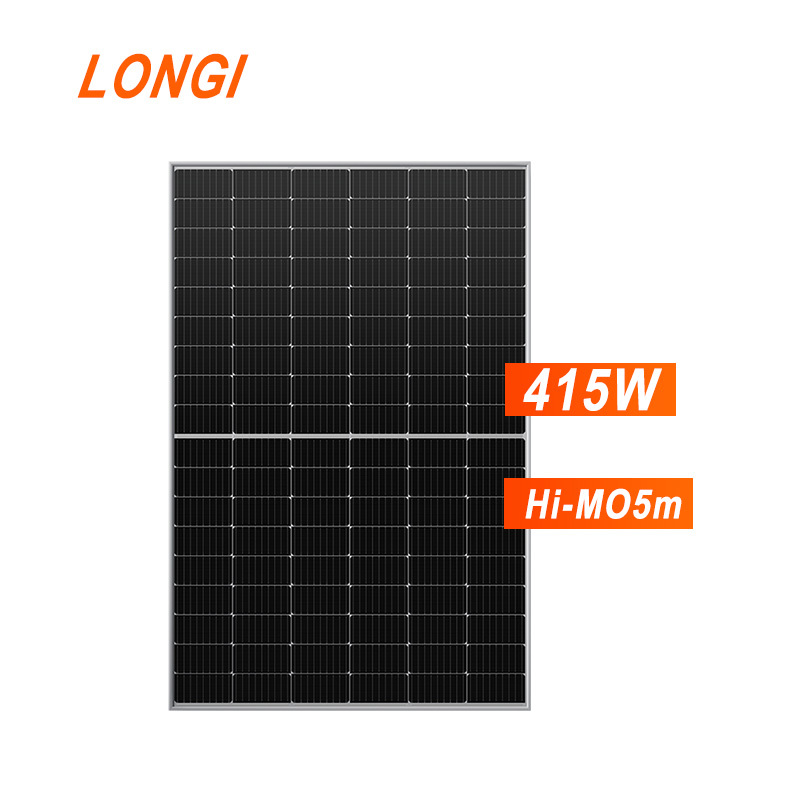
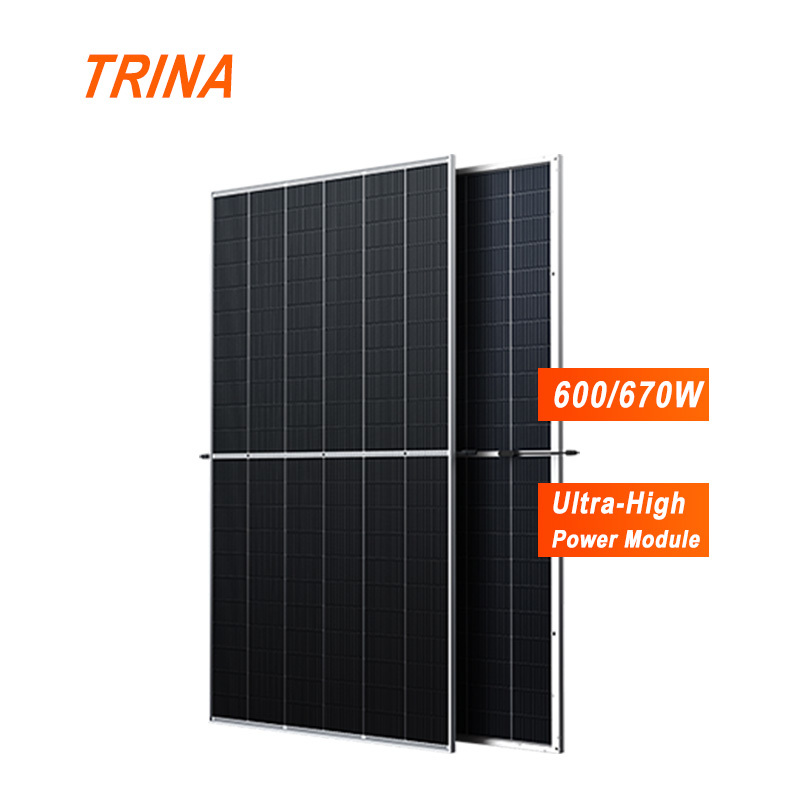
At the heart of an off-grid solar system are solar panels, often referred to as solar modules. These panels capture sunlight and convert it into direct current (DC) electricity through photovoltaic (PV) technology. An essential component of the system is the charge controller, which regulates the flow of electricity from the solar panels to the batteries. This prevents overcharging, ensuring the longevity and efficiency of the battery storage.
Battery storage is critical in off-grid solar systems, as it allows you to store the energy generated during sunny days for use during the night or on cloudy days. Different types of batteries, including lithium-ion and lead-acid, can be employed depending on your energy needs and budget. Proper sizing of the battery bank is vital to ensure you have enough stored energy to meet your demands, particularly during periods of low sunlight.
In addition to solar panels and batteries, an inverter is also a crucial component of an off-grid solar system. The inverter converts the DC electricity stored in the batteries into alternating current (AC) electricity, which is what most household appliances require. Choosing the right inverter size is important to ensure it can handle all the devices you plan to run, especially during peak usage times.
One of the main advantages of an off-grid solar system is the independence it provides. You can generate your own power without relying on local utility companies, which can be especially beneficial during power outages or in areas prone to storms. Additionally, off-grid systems can lead to significant long-term savings on electricity bills, as you are less dependent on fluctuating energy prices and can potentially eliminate your utility bills altogether.
Moreover, off-grid solar systems contribute to a more sustainable and environmentally friendly lifestyle. By utilizing renewable energy, you reduce your carbon footprint and reliance on fossil fuels, which is increasingly important given the global focus on combating climate change.
In conclusion, off-grid solar systems offer a viable and effective solution for those seeking energy independence and sustainability. With the right components and a well-planned system, you can harness the power of the sun to meet your energy needs, while also contributing to a greener planet. If you're considering making the switch, it's essential to assess your energy requirements, evaluate different components, and consult with experts to design a system that best fits your unique situation.
Contact Info
WhatsApp :+8617356570125
Email:nancy@wingosolar.com.cn
Address:
Room 718-719,Tower Office,Investment Innovation Center, No. 2809.Innovation Avenue,High-tech Zone, Hefei City, Anhui Province,China
Quick Link
Leave A Message


