
Understanding Off-Grid Solar Systems: A Comprehensive Guide for Professionals
Release time:
2026-01-20
Off-grid solar systems represent a compelling solution for energy independence, allowing individuals and businesses to generate and utilize their own electricity without relying on traditional power grids. These systems are particularly advantageous in rural or remote areas where conventional electricity may be unreliable or unavailable. This article delves into the essential aspects of off-grid s
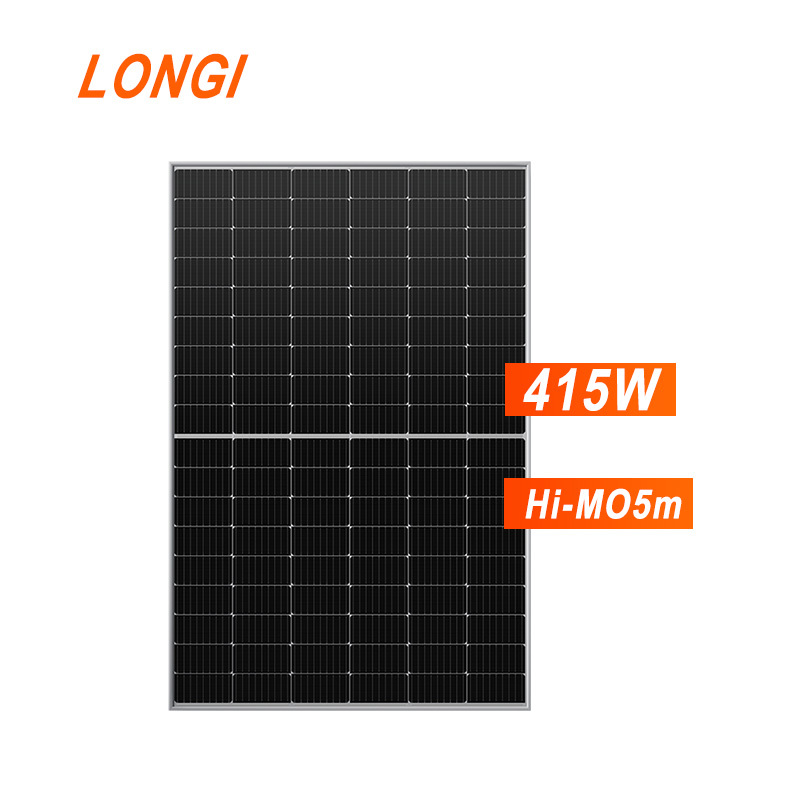
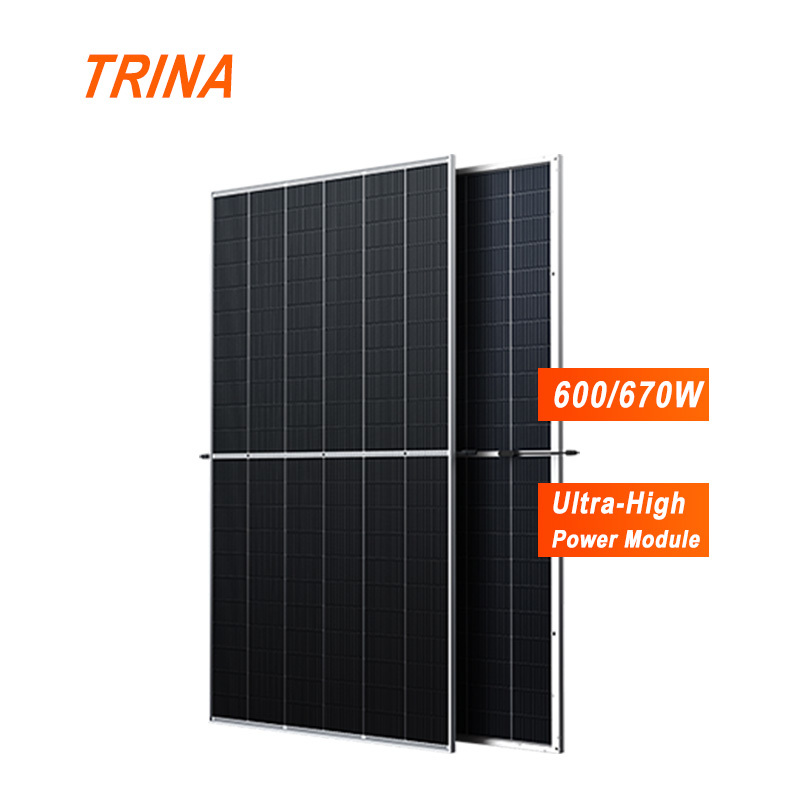
At the core of an off-grid solar system are solar panels, which capture sunlight and convert it into electrical energy. This energy is then stored in batteries, ensuring that power is available even when sunlight is not present. Selecting the right type of solar panels is crucial; considerations include efficiency, durability, and the specific energy needs of the system's user.
Batteries play a pivotal role in off-grid systems, serving as the storage unit for the energy generated by the solar panels. Various types of batteries are available, such as lead-acid, lithium-ion, and flow batteries. Each type has its advantages and disadvantages, influencing factors like lifespan, charging cycles, and cost-effectiveness. Understanding these differences can help professionals recommend the best option for specific applications.
Additionally, off-grid solar systems require an inverter, which converts the direct current (DC) electricity produced by solar panels into alternating current (AC), allowing it to be used in standard household appliances. Professionals must consider the size and capacity of the inverter based on the estimated energy consumption of the end user.
One of the most significant benefits of off-grid solar systems is their potential for energy independence. By generating and storing their own electricity, users can reduce their reliance on fossil fuels, decrease their carbon footprint, and save on utility costs over time. This shift not only contributes to environmental sustainability but also provides users with a degree of autonomy in managing their energy needs.
Moreover, off-grid systems can be designed to include other renewable energy sources, such as wind turbines, to enhance energy reliability. This hybrid approach can be particularly beneficial in areas with variable weather patterns, ensuring a consistent power supply.
In summary, off-grid solar systems offer a viable and sustainable solution for energy generation and storage. By understanding their components—solar panels, batteries, and inverters—professionals in the electrical and solar industries can effectively assist clients in making informed decisions about their energy needs. As the demand for renewable energy solutions continues to grow, knowledge of off-grid technology will be an invaluable asset in promoting energy independence and sustainability.
Contact Info
WhatsApp :+8617356570125
Email:nancy@wingosolar.com.cn
Address:
Room 718-719,Tower Office,Investment Innovation Center, No. 2809.Innovation Avenue,High-tech Zone, Hefei City, Anhui Province,China
Quick Link
Leave A Message


