
Maximizing Efficiency: Understanding ON GRID Solar Systems for Sustainable Energy Solutions
Release time:
2026-01-30
Maximizing Efficiency: Understanding ON GRID Solar Systems Table of Contents 1. Introduction to ON GRID Solar Systems 2. How ON GRID Solar Systems Work 3. Benefits of ON GRID Solar Systems 4. Key Components of ON GRID Solar Systems 5. Installation Process of ON GRID Solar Systems 6. Cost Considerations for ON GRID Solar Systems 7. Maintenance Tips for ON GRID Solar Sys
Maximizing Efficiency: Understanding ON GRID Solar Systems
Table of Contents
- 1. Introduction to ON GRID Solar Systems
- 2. How ON GRID Solar Systems Work
- 3. Benefits of ON GRID Solar Systems
- 4. Key Components of ON GRID Solar Systems
- 5. Installation Process of ON GRID Solar Systems
- 6. Cost Considerations for ON GRID Solar Systems
- 7. Maintenance Tips for ON GRID Solar Systems
- 8. Future Trends in ON GRID Solar Technology
- 9. Frequently Asked Questions
- 10. Conclusion
1. Introduction to ON GRID Solar Systems
In recent years, the demand for sustainable energy solutions has surged, with **ON GRID solar systems** emerging as a leading choice for homeowners and businesses alike. These systems harness energy from the sun, providing an eco-friendly alternative to traditional fossil fuels while delivering substantial cost savings. As we explore the intricacies of ON GRID solar systems, it becomes essential to understand how they function, their advantages, and the components involved.
2. How ON GRID Solar Systems Work
ON GRID solar systems are connected to the national or local power grid. This connection allows homeowners to utilize solar energy during the day while drawing additional electricity from the grid when needed. Understanding the workings of these systems can help maximize utilization and efficiency.
The Solar Panel Process
Solar panels, composed of photovoltaic (PV) cells, capture sunlight and convert it into direct current (DC) electricity. An inverter then transforms this DC electricity into alternating current (AC), suitable for home use.
Net Metering
One significant advantage of ON GRID systems is net metering. This system allows users to send excess electricity generated during the day back to the grid, earning credits that can offset future electricity costs.
3. Benefits of ON GRID Solar Systems
The benefits of adopting an ON GRID solar system extend beyond mere cost savings. Here are key advantages:
Cost Savings
By utilizing solar power, homeowners can significantly reduce their electricity bills. Net metering allows for additional savings, making the initial investment worthwhile over time.
Sustainability
Switching to solar energy reduces your carbon footprint and contributes to a cleaner environment. This shift away from fossil fuels is essential for combating climate change and promoting sustainable practices.
Energy Independence
ON GRID solar systems allow for a degree of energy independence. By generating your own electricity, you rely less on fluctuating energy prices and supply constraints.
4. Key Components of ON GRID Solar Systems
Understanding the essential components of an ON GRID solar system is crucial for maximizing efficiency. Here are the primary parts:
Solar Panels
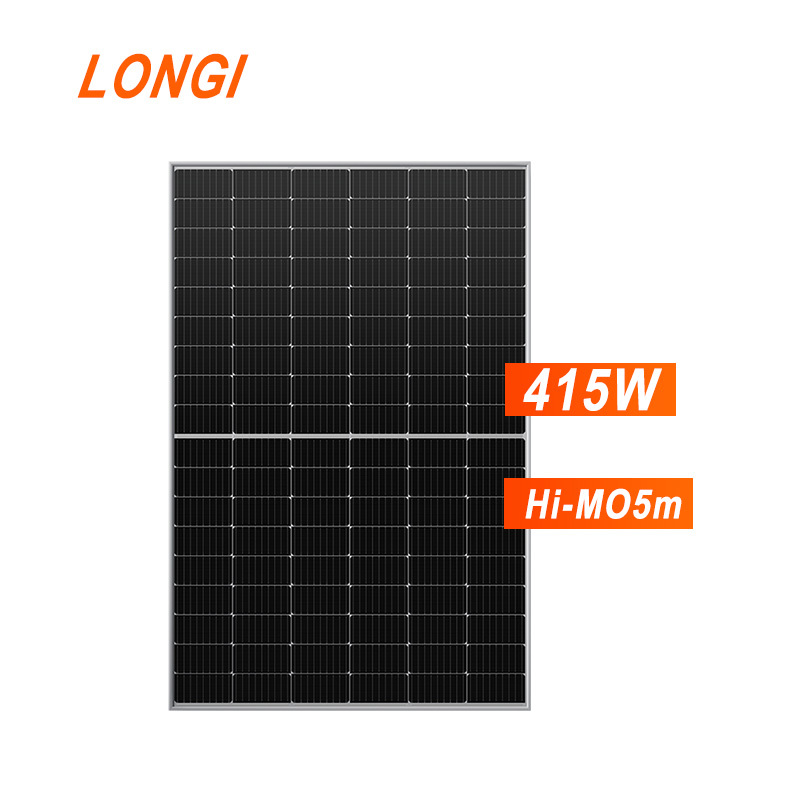
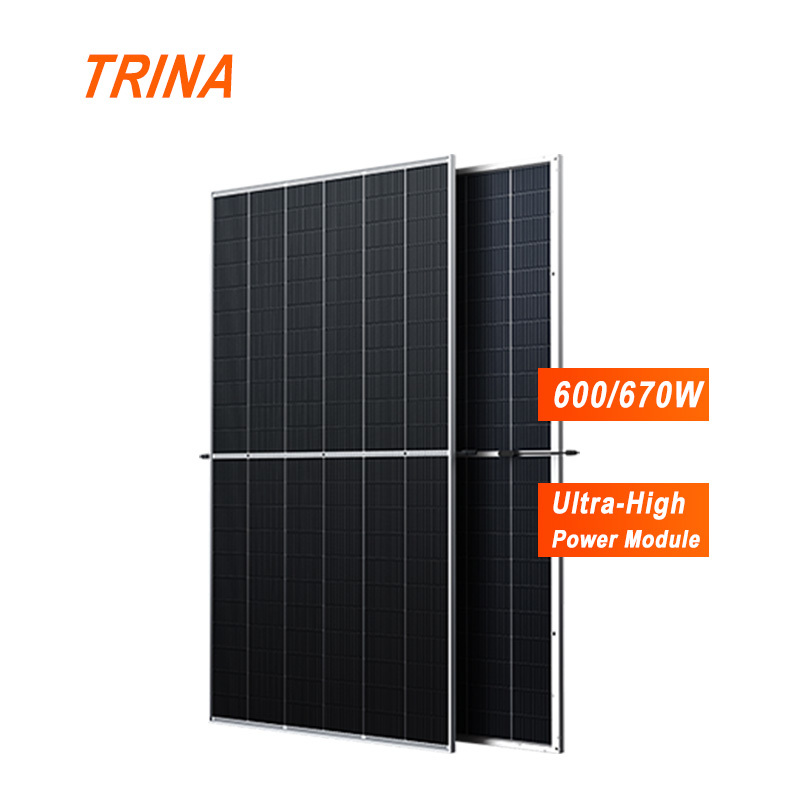
The heart of any solar system, solar panels come in various types, including monocrystalline, polycrystalline, and thin-film. Each type offers distinct efficiencies and costs.
Inverters
Inverters play a critical role in converting DC electricity to AC electricity. Additionally, they optimize the energy output from solar panels and ensure efficient system performance.
Mounting Structures
A robust mounting system is essential for the proper installation of solar panels. These structures must withstand various weather conditions while allowing for optimal sunlight exposure.
Monitoring Systems
Monitoring systems track the performance of solar panels and ensure they operate efficiently. These systems can alert homeowners to potential issues, allowing for timely maintenance.
5. Installation Process of ON GRID Solar Systems
Installing an ON GRID solar system involves several steps. Understanding this process can help streamline the transition to solar energy.
Assessment and Planning
The first step in the installation process is assessing the property’s solar potential. This includes evaluating roof space, orientation, and shading. A detailed plan will outline the number of panels required, the inverter selection, and the overall system design.
Permitting and Paperwork
Before installation, securing the necessary permits from local authorities is vital. This step ensures compliance with building codes and regulations.
Installation
Once permits are in place, the installation process begins. This involves installing solar panels, inverters, and mounting structures, connecting the system to the grid, and ensuring everything operates seamlessly.
Inspection and Maintenance
After installation, an inspection may be required to verify that the system meets all regulations. Regular maintenance checks are essential for ensuring long-term efficiency and performance.
6. Cost Considerations for ON GRID Solar Systems
The cost of ON GRID solar systems can vary considerably based on several factors, including system size, installation complexity, and local incentives.
Initial Investment
While the upfront cost can be significant, various financing options and incentives, such as tax rebates and grants, can alleviate the financial burden.
Long-term Savings
Although the initial investment might be daunting, the long-term savings on electricity bills can make the system financially viable. Most ON GRID solar systems pay for themselves within 5 to 10 years.
7. Maintenance Tips for ON GRID Solar Systems
Regular maintenance is essential to ensure the efficiency of ON GRID solar systems. Here are some tips for keeping your system in optimal condition:
Regular Cleaning
Dirt, dust, and debris can accumulate on solar panels, reducing their efficiency. Regular cleaning, at least twice a year, is recommended to maximize energy absorption.
Monitoring Performance
Utilizing monitoring systems can help identify performance issues. Regular checks can alert homeowners to potential problems before they require costly repairs.
Professional Inspections
Scheduling professional inspections every few years can help maintain system integrity, ensuring all components function correctly and efficiently.
8. Future Trends in ON GRID Solar Technology
As solar technology continues to evolve, several trends promise to enhance ON GRID solar systems further:
Improved Efficiency
Advancements in solar panel technology are leading to increased energy conversion rates, making solar systems more effective and economically viable.
Energy Storage Integration
Integrating energy storage solutions, such as batteries, with ON GRID systems allows homeowners to store excess energy generated during the day for use during peak times or at night. This trend increases energy independence and further reduces reliance on the grid.
Smart Home Integration
The rise of smart home technology allows for enhanced energy management, optimizing when and how energy is used within a household. This integration will lead to more efficient energy consumption patterns.
9. Frequently Asked Questions
What is an ON GRID solar system?
An ON GRID solar system is a solar power system connected to the local power grid, allowing for the use of both solar energy and grid electricity.
How does net metering work?
Net metering allows homeowners to receive credits for excess electricity sent back to the grid, offsetting future energy costs.
What are the cost implications of installing an ON GRID solar system?
While the initial installation cost can be high, homeowners can expect to save significantly on electricity bills over time.
How often should solar panels be cleaned?
It is recommended to clean solar panels at least twice a year to ensure optimal performance.
What future innovations can we expect in solar technology?
Future trends may include improved panel efficiency, battery integration for energy storage, and smart home technology enhancements.
10. Conclusion
ON GRID solar systems represent a compelling solution for those looking to maximize efficiency while contributing to a sustainable future. By understanding the intricacies of these systems, from their workings and benefits to the installation process and maintenance tips, homeowners can make informed decisions that not only save money but also support environmental initiatives. Embracing solar energy is not just a smart financial choice; it’s a step towards a greener and more sustainable world. As technology evolves, the potential for efficiency and energy savings in ON GRID solar systems will only continue to grow, making now the perfect time to invest in a cleaner energy future.
Contact Info
WhatsApp :+8617356570125
Email:nancy@wingosolar.com.cn
Address:
Room 718-719,Tower Office,Investment Innovation Center, No. 2809.Innovation Avenue,High-tech Zone, Hefei City, Anhui Province,China
Quick Link
Leave A Message


