
Understanding Off-Grid Solar System Sizing Calculations: A Comprehensive Guide
Release time:
2026-01-13
Understanding Off-Grid Solar System Sizing Calculations Introduction to Off-Grid Solar Systems In recent years, the movement towards sustainable living has gained immense momentum, with **off-grid solar systems** emerging as a popular solution for energy independence. Unlike grid-tied systems, off-grid setups operate independently from the utility grid, allowing homeowners and businesses to harnes
Understanding Off-Grid Solar System Sizing Calculations
Introduction to Off-Grid Solar Systems
In recent years, the movement towards sustainable living has gained immense momentum, with **off-grid solar systems** emerging as a popular solution for energy independence. Unlike grid-tied systems, off-grid setups operate independently from the utility grid, allowing homeowners and businesses to harness solar energy for their power needs. However, properly sizing an off-grid solar system involves a thorough understanding of various factors, including energy demands and environmental conditions. This guide aims to provide a detailed overview of the sizing calculations necessary for an effective off-grid solar system.
Table of Contents
- What is an Off-Grid Solar System?
- Why Size Your Solar System Correctly?
- Key Components of an Off-Grid Solar System
- Understanding Your Energy Needs
- Solar Panel Output Calculations
- Battery Sizing for Off-Grid Systems
- Inverter Selection and Sizing
- Adjusting for System Losses
- Common Mistakes in Solar Sizing Calculations
- Frequently Asked Questions
- Conclusion
What is an Off-Grid Solar System?
An **off-grid solar system** is a standalone energy system that captures sunlight and converts it into electricity for use in homes or businesses without connecting to the conventional power grid. This type of system typically includes solar panels, a battery bank for energy storage, an inverter to convert DC power to AC power, and necessary wiring and mounting equipment. Such systems are particularly valuable in remote areas, allowing users to access electricity where traditional power infrastructure is unavailable or unreliable.
Why Size Your Solar System Correctly?
Correctly sizing an off-grid solar system is crucial for several reasons:
1. **Energy Sufficiency**: Ensuring that the system meets all energy demands without running out of power during critical times.
2. **Cost Efficiency**: Preventing oversizing can save money on unnecessary equipment while undersizing may lead to increased costs due to energy shortages.
3. **System Longevity**: Proper sizing reduces wear on system components, prolonging their lifespan.
4. **Environmental Impact**: An optimized system minimizes the carbon footprint and maximizes the use of renewable resources.
Key Components of an Off-Grid Solar System
An off-grid solar system comprises several essential components, each playing a vital role in energy generation and management:
1. **Solar Panels**: The primary source of energy, converting sunlight into electricity.
2. **Battery Bank**: Stores surplus energy for use during less sunny days or nighttime.
3. **Inverter**: Transforms direct current (DC) from the solar panels and batteries into alternating current (AC), suitable for home appliances.
4. **Charge Controller**: Regulates the voltage and current coming from the solar panels to the batteries, preventing overcharging and damage.
5. **Mounting Systems**: Secure the solar panels to rooftops or ground structures for optimal exposure to sunlight.
Understanding Your Energy Needs
The first step in sizing an off-grid solar system is to **analyze your energy needs**. This process involves calculating the total watt-hours consumed by all electric appliances and devices within a specific timeframe, typically a day.
Calculating Daily Energy Consumption
To accurately estimate daily energy usage, follow these steps:
1. **List All Appliances**: Compile a list of all electronic devices and appliances used within your premises.
2. **Determine Wattage**: Find the wattage ratings for each appliance. This information is usually available on the device itself or in the user manual.
3. **Estimate Usage Hours**: Calculate how many hours each appliance is used daily.
4. **Calculate Daily Consumption**: Use the formula:
Daily Energy Consumption (Wh) = Wattage × Hours of Use
5. **Sum Up**: Add up the watt-hours of all appliances to get the total daily energy requirement.
Example Calculation
For example, if you have the following appliances:
- Refrigerator: 150W, used for 24 hours
- LED Lights: 10W, used for 5 hours
- Laptop: 50W, used for 6 hours
The daily energy consumption would be:
- Refrigerator: 150W x 24h = 3600Wh
- LED Lights: 10W x 5h = 50Wh
- Laptop: 50W x 6h = 300Wh
Total Daily Energy Consumption = 3600Wh + 50Wh + 300Wh = 3950Wh
Solar Panel Output Calculations
Once you have determined your daily energy requirements, the next step is to calculate the necessary solar panel output to meet those needs.
Factors Influencing Solar Panel Output
Solar panel output depends on several factors, including:
1. **Sunlight Hours**: The average number of peak sunlight hours in your location.
2. **Panel Efficiency**: The efficiency rating of the solar panels you plan to use, typically ranging from 15% to 22%.
3. **System Losses**: Consideration of inefficiencies in the system, including losses from the inverter, wiring, and temperature effects.
Calculating Solar Panel Requirements
To determine how many solar panels are needed, use the following formula:
Solar Panel Output Needed (W) = Daily Energy Requirement (Wh) / Average Sunlight Hours (h)
For instance, assuming you need 3950Wh daily and receive 5 peak sunlight hours:
Solar Panel Output Needed = 3950Wh / 5h = 790W
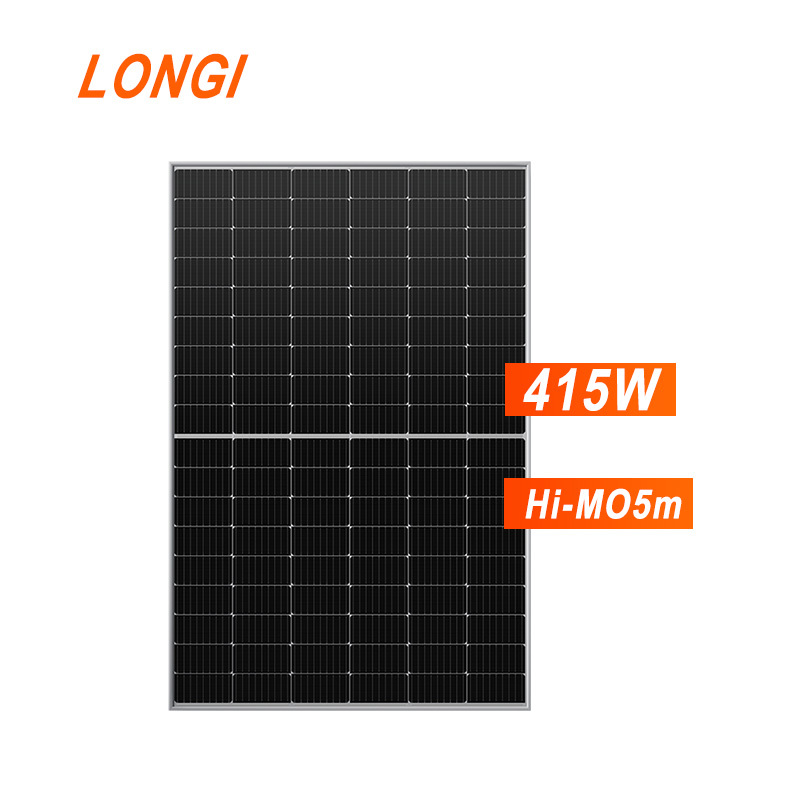
If you're using 300W solar panels, you would need:
Number of Panels = Total Output Needed (W) / Panel Wattage (W)
Number of Panels = 790W / 300W ≈ 2.63 (rounding up, you would need 3 panels).
Battery Sizing for Off-Grid Systems
The battery bank is a critical component of an off-grid system, serving as storage for excess energy generated during sunny days. Properly sizing your battery bank ensures you have enough power during periods of low sunlight.
Calculating Battery Capacity
To calculate the required battery capacity, consider the following:
1. **Days of Autonomy**: Determine how many days you want to be able to run off your battery without solar input. A common recommendation is 2-3 days.
2. **Daily Energy Consumption**: Use the previously calculated daily energy requirements.
The formula for battery capacity in amp-hours (Ah) is:
Battery Capacity (Ah) = (Daily Energy Consumption (Wh) × Days of Autonomy) / Battery Voltage (V)
Assuming a 12V system and a requirement for 3 days of autonomy:
Battery Capacity = (3950Wh × 3 days) / 12V = 987.5Ah
Choose a battery bank that can support this capacity while allowing for depth of discharge (DoD) to enhance battery life.
Inverter Selection and Sizing
The inverter is pivotal for converting the DC electricity stored in batteries into AC electricity that your household appliances utilize. When selecting an inverter, consider the following:
Inverter Sizing Guidelines
1. **Continuous Power Rating**: Ensure the inverter can handle the total continuous load of all devices running simultaneously.
2. **Surge Power Rating**: Account for appliances that require higher starting wattage, such as refrigerators and air conditioners.
Use the formula:
Inverter Size (W) = Total Continuous Load (W) + Surge Power Requirement (W)
For example, if your continuous load is 1000W and your surge load is 2000W, the required inverter size would be:
Total Inverter Size = 1000W + 2000W = 3000W.
Adjusting for System Losses
No solar system is 100% efficient; therefore, it’s essential to account for system losses when sizing your components. Losses can occur due to:
1. **Inverter Efficiency**: Typically around 80%-95%.
2. **Wiring Losses**: Losses in wiring can range from 2%-5%.
3. **Temperature Effects**: High temperatures can reduce solar panel efficiency.
A common practice is to increase the total calculated output (solar panel, battery capacity, and inverter size) by about 25% to account for these inefficiencies.
Common Mistakes in Solar Sizing Calculations
1. **Neglecting Seasonal Variations**: Failing to account for seasonal changes in sunlight hours can lead to inadequate energy production.
2. **Overlooking System Losses**: Not adjusting for efficiency losses can result in an undersized system.
3. **Ignoring Future Needs**: Underestimating future energy needs may require expensive upgrades sooner than expected.
4. **Inaccurate Appliance Usage Estimates**: Miscalculating daily usage can skew the entire sizing process.
Frequently Asked Questions
1. What is the lifespan of off-grid solar systems?
Most off-grid solar systems can last between 25 to 30 years, depending on component quality and maintenance.
2. How much does an off-grid solar system cost?
Costs can vary widely, but a comprehensive off-grid solar installation typically ranges from $10,000 to $30,000, influenced by size, components, and installation complexity.
3. Can I expand my off-grid solar system later?
Yes, off-grid systems can be expanded by adding more solar panels or batteries, but proper planning during the initial setup can make future expansions easier.
4. How much maintenance does an off-grid solar system require?
Regular maintenance includes cleaning solar panels, checking battery levels, and monitoring inverter performance, but the overall maintenance needs are relatively low.
5. Is off-grid solar energy reliable?
Yes, off-grid solar systems can provide reliable energy, especially when sized correctly and equipped with an adequate battery bank for energy storage.
Conclusion
Properly sizing an off-grid solar system is a fundamental step towards achieving energy independence and sustainability. By understanding your energy needs, calculating the necessary components, and accounting for inefficiencies, you can design a system that meets your requirements and optimizes performance. As the world continues to embrace renewable energy, mastering the intricacies of solar system sizing will empower individuals to harness the sun’s power effectively and confidently.
Contact Info
WhatsApp :+8617356570125
Email:nancy@wingosolar.com.cn
Address:
Room 718-719,Tower Office,Investment Innovation Center, No. 2809.Innovation Avenue,High-tech Zone, Hefei City, Anhui Province,China
Quick Link
Leave A Message


