
How to Incorporate Smart Technology in Your Off-Grid Solar System: A Comprehensive Guide
Release time:
2026-05-08
How to Incorporate Smart Technology in Your Off-Grid Solar System Table of Contents Introduction to Off-Grid Solar Systems Benefits of Smart Technology in Off-Grid Solar Systems Key Components of an Off-Grid Solar System 1. Solar Panels: The Heart of Your System 2. Smart Inverters: Efficiency Redefined 3. Advanced Battery Storage Solutions 4. Charge Controllers:
How to Incorporate Smart Technology in Your Off-Grid Solar System
Table of Contents
- Introduction to Off-Grid Solar Systems
- Benefits of Smart Technology in Off-Grid Solar Systems
- Key Components of an Off-Grid Solar System
- 1. Solar Panels: The Heart of Your System
- 2. Smart Inverters: Efficiency Redefined
- 3. Advanced Battery Storage Solutions
- 4. Charge Controllers: Managing Energy Flow
- Incorporating Smart Technology into Your System
- Challenges of Integrating Smart Technology
- Future Trends in Off-Grid Solar Technology
- Frequently Asked Questions
- Conclusion
Introduction to Off-Grid Solar Systems
In recent years, the desire for energy independence has led to a surge in off-grid solar systems. These systems allow users to harness solar energy for their power needs, contributing to a sustainable lifestyle. With the integration of smart technology, off-grid solar systems are becoming even more efficient and user-friendly. Smart technology can monitor energy usage, optimize performance, and provide real-time data, making it easier for users to manage their energy consumption.
Benefits of Smart Technology in Off-Grid Solar Systems
Incorporating smart technology into your off-grid solar system offers numerous advantages:
1. Enhanced Efficiency
Smart technology enables real-time monitoring of energy consumption, helping users identify energy-hogging appliances and make adjustments to optimize efficiency.
2. Remote Access and Control
With smart systems, users can control their solar setup from anywhere via smartphones or tablets, providing flexibility and convenience.
3. Predictive Analysis
Smart technology can analyze energy usage patterns and predict future energy needs, aiding in better battery management and system adjustments.
4. Increased Longevity
Advanced monitoring and management capabilities help prolong the lifespan of system components by ensuring they operate within optimal parameters.
Key Components of an Off-Grid Solar System
Before diving into how to incorporate smart technology, it's essential to understand the key components that make up an off-grid solar system.
1. Solar Panels: The Heart of Your System
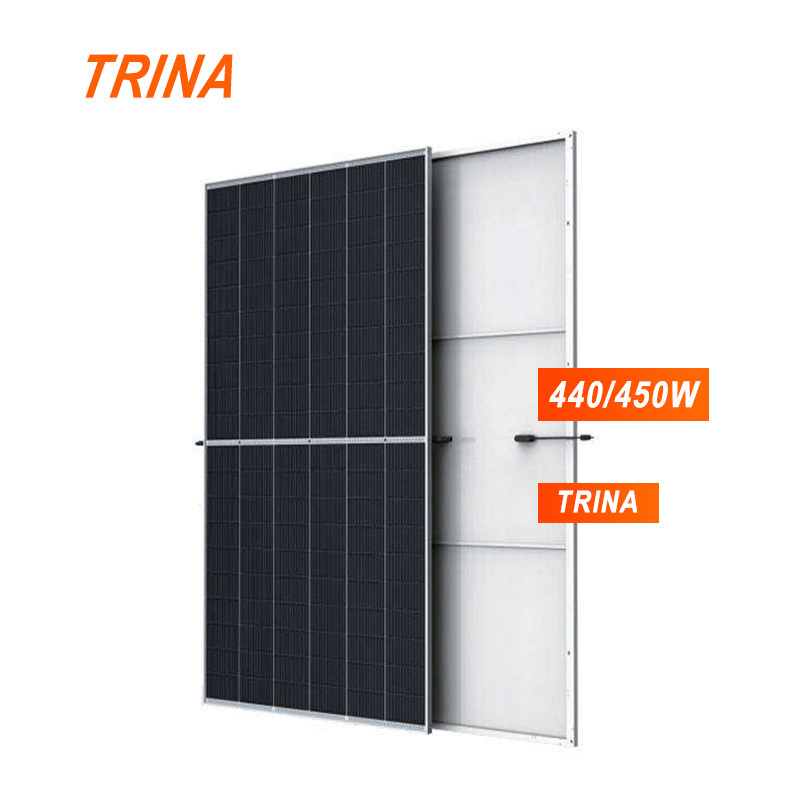
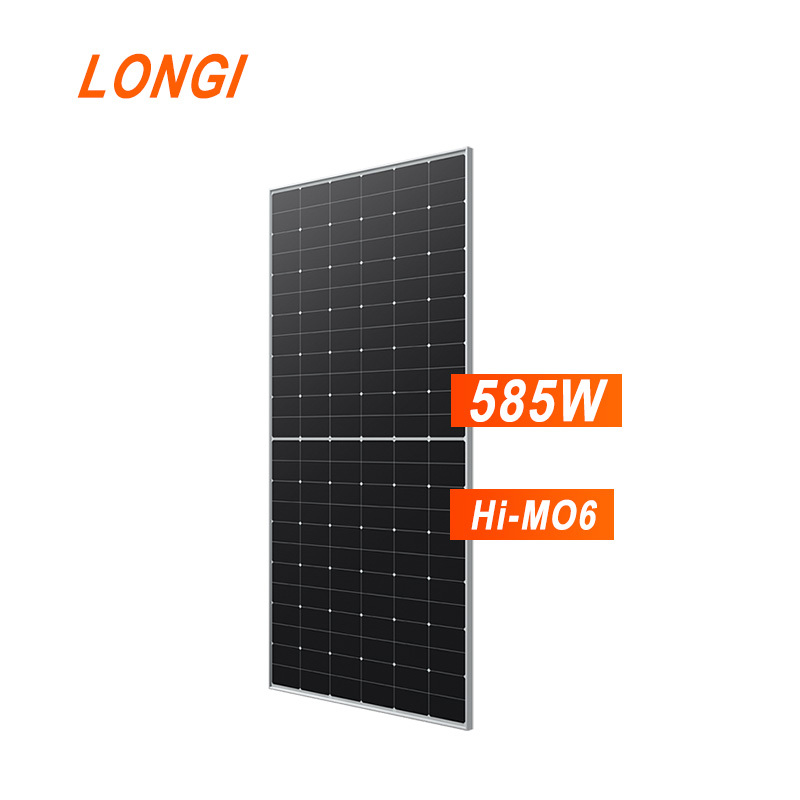
Solar panels are the primary source of energy in any solar system. They convert sunlight into electricity, which can be stored or used immediately. When choosing solar panels for an off-grid system, consider their efficiency, durability, and size to meet your energy needs.
2. Smart Inverters: Efficiency Redefined
Smart inverters play a crucial role in converting DC electricity generated by solar panels into AC electricity suitable for household use. These inverters can also optimize energy consumption by managing how electricity flows between the panels, batteries, and household appliances.
3. Advanced Battery Storage Solutions
Battery storage systems store excess energy generated during the day for use at night or during periods of low sunlight. Smart batteries can communicate with other components of the system to optimize charging and discharging cycles based on real-time data.
4. Charge Controllers: Managing Energy Flow
Charge controllers regulate the voltage and current coming from the solar panels to the batteries. They prevent overcharging and extend battery life. Smart charge controllers can provide additional insights, such as battery health and charging status.
Incorporating Smart Technology into Your System
Integrating smart technology into your off-grid solar setup can transform the way you manage your energy resources. Here are some effective ways to incorporate smart technology:
1. Home Automation Systems
A home automation system allows you to control various devices in your home through a central hub. By integrating your off-grid solar system with a smart home platform, you can automate energy usage based on real-time solar production data. For example, you can schedule energy-intensive tasks, like running the dishwasher or washing machine, for times when solar energy production is at its peak.
2. Energy Management Systems (EMS)
An EMS can track and manage energy consumption across your home. By analyzing usage patterns, it helps in optimizing the operation of appliances based on solar energy availability. Some EMS solutions can also integrate with utility grids, enabling users to sell excess energy back to the grid when demand and pricing are favorable.
3. Remote Monitoring Solutions
Remote monitoring tools enable users to check their solar system's performance from anywhere. These tools often provide dashboards that display real-time data on energy production, consumption, battery status, and system efficiency. Alerts can notify users of any issues or maintenance needs, allowing for timely interventions.
Challenges of Integrating Smart Technology
While the benefits of smart technology in off-grid solar systems are significant, there are challenges that users may face:
1. Initial Cost
The integration of smart technology can lead to higher upfront costs. Users need to weigh the long-term benefits against the initial investment.
2. Compatibility
Not all smart devices are compatible with existing systems, which may require additional investments in new components or systems.
3. Technical Knowledge
Users may need a certain level of technical knowledge to set up and optimize these systems, which can be a barrier for some.
Future Trends in Off-Grid Solar Technology
As technology continues to evolve, so do the possibilities for off-grid solar systems. Here are some trends to look out for:
1. Increased Use of Artificial Intelligence
AI can further enhance the efficiency of energy management systems by learning user habits and optimizing energy usage accordingly.
2. Improved Battery Technology
Advancements in battery technology, particularly solid-state batteries, promise greater energy density and safety, allowing for longer storage and more efficient energy use.
3. Integration with Smart Grids
As smart grid technologies become more prevalent, off-grid systems may increasingly interact with these grids for better energy management and pricing.
Frequently Asked Questions
1. What is an off-grid solar system?
An off-grid solar system is a self-sufficient energy system that operates independently of the utility grid. It generates, stores, and uses solar energy for power needs.
2. How does smart technology improve off-grid solar systems?
Smart technology enhances efficiency, enables remote monitoring, and optimizes energy management, allowing users to make the most of their solar energy resources.
3. Can I use smart technology with my existing off-grid solar system?
Yes, many smart technologies are designed to be compatible with existing systems, but compatibility varies by device and manufacturer.
4. What are some challenges of incorporating smart technology?
Challenges include initial costs, compatibility issues, and the need for technical knowledge to operate and optimize smart systems.
5. What future trends should I be aware of for off-grid solar systems?
Future trends include increased use of artificial intelligence, advancements in battery technology, and enhanced integration with smart grids.
Conclusion
Incorporating smart technology into your off-grid solar system can revolutionize the way you manage your energy needs, providing enhanced efficiency, control, and convenience. By understanding the key components of your system and leveraging innovative technologies, you can create a more sustainable and user-friendly energy solution. As technology continues to advance, your off-grid solar system will not only meet your power needs but also adapt to the evolving landscape of renewable energy. Embrace smart technology and take your off-grid living experience to the next level.
Contact Info
WhatsApp :+8617356570125
Email:nancy@wingosolar.com.cn
Address:
Room 718-719,Tower Office,Investment Innovation Center, No. 2809.Innovation Avenue,High-tech Zone, Hefei City, Anhui Province,China
Quick Link
Leave A Message


