
Understanding On-Grid Solar Systems: A Comprehensive Guide
Release time:
2026-05-15
On-grid solar systems, also known as grid-tied solar systems, are designed to work in conjunction with the existing utility grid. This type of solar energy setup allows homeowners and businesses to harness renewable energy while remaining connected to their local electricity provider. Understanding the key elements of on-grid solar systems can help you make informed decisions about your energy nee
On-grid solar systems, also known as grid-tied solar systems, are designed to work in conjunction with the existing utility grid. This type of solar energy setup allows homeowners and businesses to harness renewable energy while remaining connected to their local electricity provider. Understanding the key elements of on-grid solar systems can help you make informed decisions about your energy needs.
**1. How On-Grid Solar Systems Work:**
On-grid solar systems utilize solar panels to convert sunlight into electricity. This electricity is then used to power your home or business directly. If your solar panels produce more electricity than you consume, the excess energy is fed back into the grid. In many regions, net metering policies allow you to receive credits for this surplus energy, which can offset your future electricity bills.
**2. Components of On-Grid Solar Systems:**
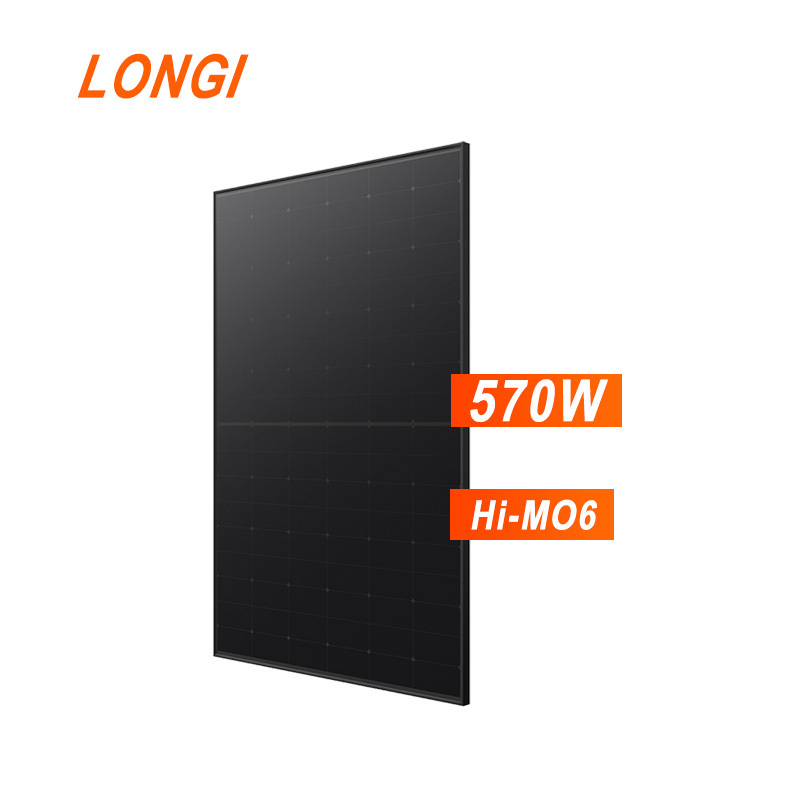
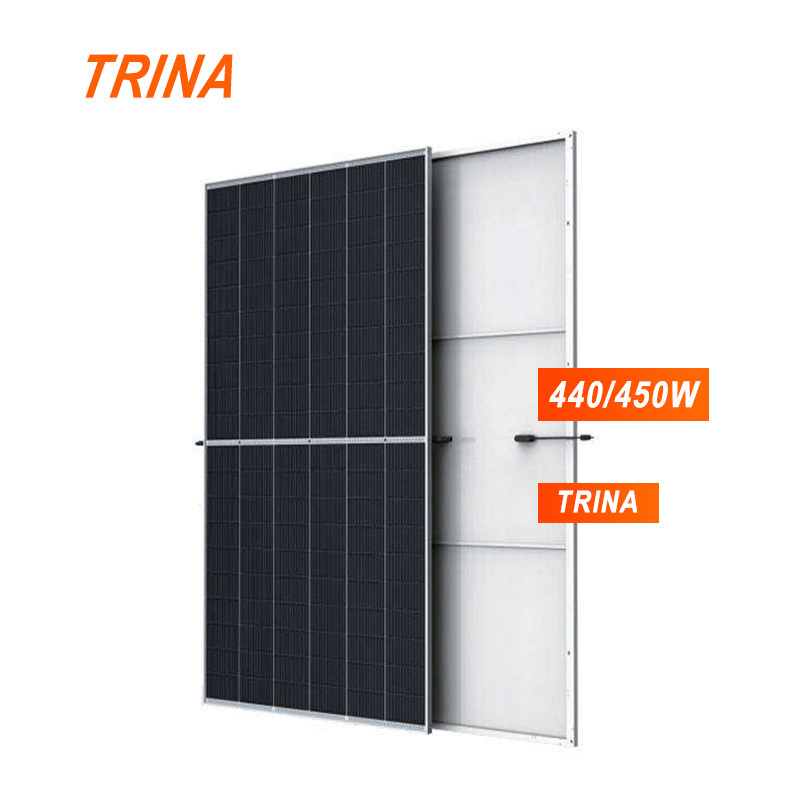
An on-grid solar system typically consists of solar panels, an inverter, and a grid connection. Solar panels capture sunlight and convert it into direct current (DC) electricity. The inverter plays a crucial role in converting DC electricity into alternating current (AC), which is the form of electricity used in homes and businesses. The system is connected to the utility grid, allowing for seamless energy exchange.
**3. Benefits of On-Grid Solar Systems:**
One of the most significant advantages of an on-grid solar system is its cost-effectiveness. Since you can utilize the existing grid infrastructure, installation costs may be lower compared to off-grid systems. Additionally, on-grid systems can significantly reduce your electricity bills and provide a steady supply of energy, even during cloudy days or at night, thanks to grid connectivity.
**4. Considerations for On-Grid Solar Systems:**
While on-grid solar systems have many benefits, there are some considerations to keep in mind. These systems are dependent on the utility grid; therefore, during power outages, your system will not provide electricity unless you have battery backup solutions in place. It’s also essential to check local regulations, incentives, and net metering policies to understand how they may impact your decision.
**5. Conclusion:**
In summary, on-grid solar systems offer a reliable and cost-effective way to harness solar energy while remaining connected to the utility grid. By understanding how these systems work and their components, you can evaluate whether an on-grid solar system aligns with your energy goals. As renewable energy continues to gain traction, taking advantage of solar technology can significantly contribute to energy savings and sustainability. Investing in an on-grid solar system is not just about reducing costs; it’s also about embracing a cleaner and greener future.
Back →
**1. How On-Grid Solar Systems Work:**
On-grid solar systems utilize solar panels to convert sunlight into electricity. This electricity is then used to power your home or business directly. If your solar panels produce more electricity than you consume, the excess energy is fed back into the grid. In many regions, net metering policies allow you to receive credits for this surplus energy, which can offset your future electricity bills.
**2. Components of On-Grid Solar Systems:**
An on-grid solar system typically consists of solar panels, an inverter, and a grid connection. Solar panels capture sunlight and convert it into direct current (DC) electricity. The inverter plays a crucial role in converting DC electricity into alternating current (AC), which is the form of electricity used in homes and businesses. The system is connected to the utility grid, allowing for seamless energy exchange.
**3. Benefits of On-Grid Solar Systems:**
One of the most significant advantages of an on-grid solar system is its cost-effectiveness. Since you can utilize the existing grid infrastructure, installation costs may be lower compared to off-grid systems. Additionally, on-grid systems can significantly reduce your electricity bills and provide a steady supply of energy, even during cloudy days or at night, thanks to grid connectivity.
**4. Considerations for On-Grid Solar Systems:**
While on-grid solar systems have many benefits, there are some considerations to keep in mind. These systems are dependent on the utility grid; therefore, during power outages, your system will not provide electricity unless you have battery backup solutions in place. It’s also essential to check local regulations, incentives, and net metering policies to understand how they may impact your decision.
**5. Conclusion:**
In summary, on-grid solar systems offer a reliable and cost-effective way to harness solar energy while remaining connected to the utility grid. By understanding how these systems work and their components, you can evaluate whether an on-grid solar system aligns with your energy goals. As renewable energy continues to gain traction, taking advantage of solar technology can significantly contribute to energy savings and sustainability. Investing in an on-grid solar system is not just about reducing costs; it’s also about embracing a cleaner and greener future.
Contact Info
WhatsApp :+8617356570125
Email:nancy@wingosolar.com.cn
Address:
Room 718-719,Tower Office,Investment Innovation Center, No. 2809.Innovation Avenue,High-tech Zone, Hefei City, Anhui Province,China
Quick Link
Leave A Message


